

TL;DR The Executive Summary
- Stop justifying designs through aesthetics; developers care about asset performance and risk mitigation.
- Understand the difference between CapEx (capital expenditure) and OpEx (operational expenditure) to show how design reduces long-term costs.
- Use microclimate and movement data to turn ‘ornamental’ features into revenue-generating functional infrastructure.
- Shift your role from ‘design provider’ to ‘performance consultant’ by aligning your outcomes with investor financial goals.
In most professional practices, ‘Value Engineering’ is treated as an inevitable conflict—a destructive process that happens after the conceptual design phase, where the ‘art’ is traded for the ‘budget.’ But this conflict is largely a result of a misalignment in language. Architects speak in terms of spatial quality and experience; investors speak in terms of Internal Rate of Return (IRR) and Net Operating Income (NOI). When you present your design as an aesthetic ‘must-have,’ you are essentially asking the developer to pay a premium for your vision. When you present it as a performance-based asset, you are asking them to protect their ROI.
The most effective defense against design cuts is a quantitative one. By linking your design decisions to operational expenditure (OpEx), you prove that your proposal is not an added cost, but a reduction in long-term risk.
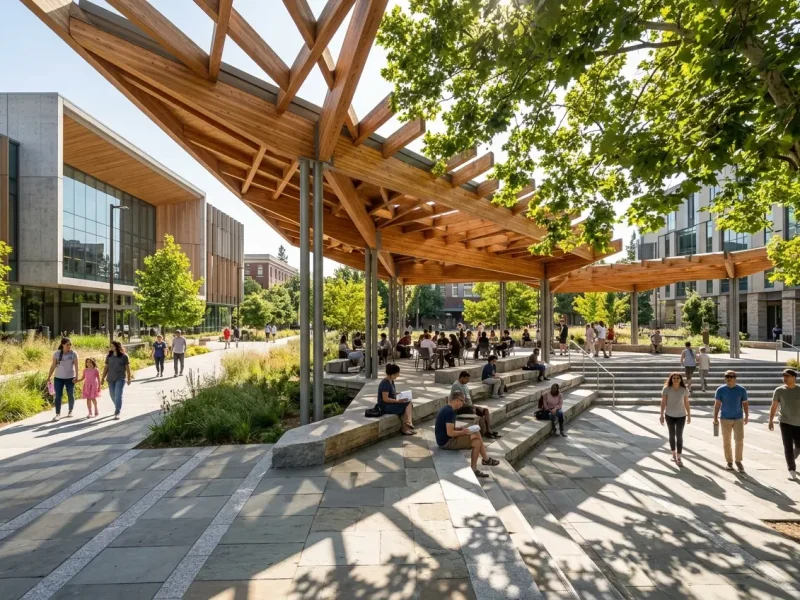
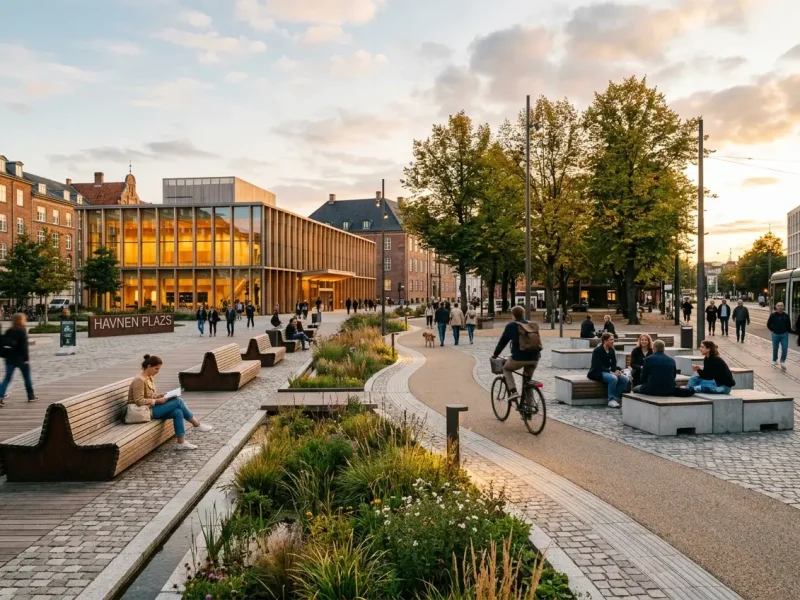
To succeed, you must adopt the ‘Performance Brief.’ Instead of listing requirements, define how each element performs for the client’s bottom line. For instance, consider the functional role of landscape elements in a mixed-use development:
When you start to document these outcomes, you provide the developer with the justification they need to keep your designs in the budget. It is not about fighting the developer; it is about providing them with a defensible financial case for why the project is better with your features than without them.
For those feeling the pressure of persistent, unbilled revisions during these debates, it is essential to revisit your scope management and negotiation techniques. If you are not charging for the time spent justifying the value of your own work, you are effectively paying the developer to let you do your job. The goal is to move from being a design commodity to an essential performance partner who secures the project’s financial resilience.
You Might Be Wondering
Honest answers to real objections
Q1My client says they have a fixed budget and cannot afford these design ‘extras’. What do I say?
Q2Is it realistic to ask a client for data when they are already trying to cut costs?
Q3How do I handle a contractor or developer who insists that my design is ‘gold-plating’?
Q4Does this approach actually work, or will it just annoy the client?