

TL;DR The Executive Summary
- Value Engineering is often a ‘short-term gain, long-term pain’ cycle that destroys the thermal comfort required for high-value outdoor commercial space.
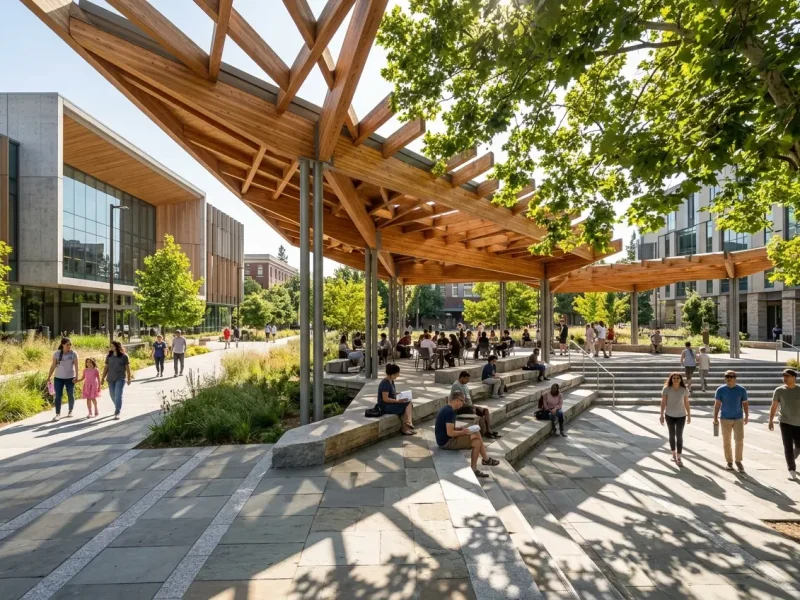
- Exterior shade structures are not ornamental; they are structural assets that modulate solar heat gain and drive occupant dwell time.
- Deleting landscape and shading elements transfers costs from the initial capital budget to the operator via lower rental yields and increased climate control loads.
- The most effective way to defend design in a VE meeting is to replace anecdotal preference with measurable performance data regarding thermal comfort and revenue impact.
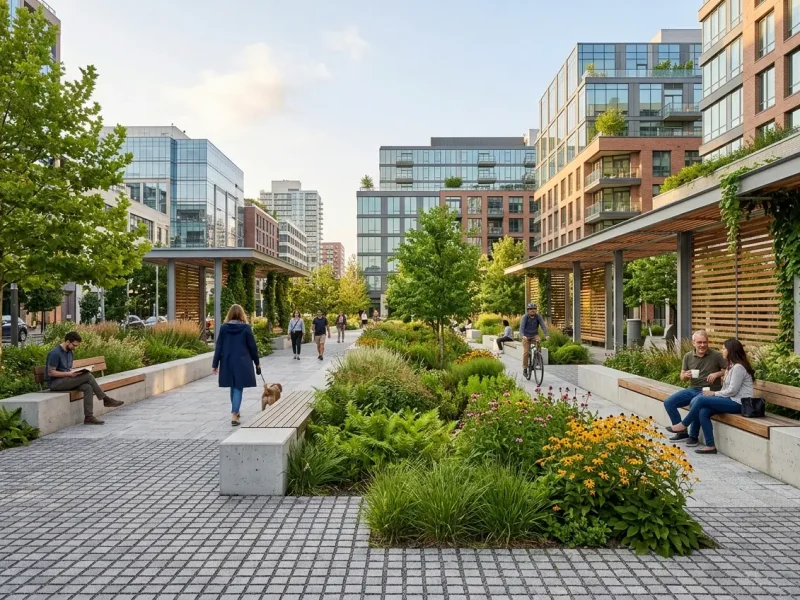
In our work, we’ve found that the term ‘Value Engineering’ has become synonymous with ‘cost-cutting by subtraction’. When a project exceeds its budget—a near-certainty in complex urban developments—the project management team inevitably turns to the most visible, yet seemingly ‘non-structural’ elements: the landscaping, the shading devices, and the courtyard treatments.
The Core Misunderstanding: VE is applied to the capital expenditure of building the item, while ignoring the operational revenue generated by the environment that item creates.
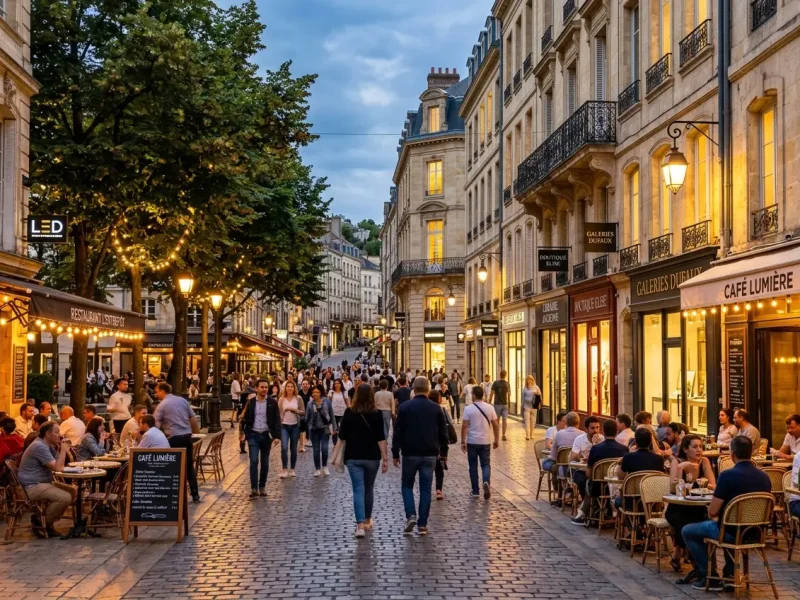
When you strip a building of its exterior shade structures, you aren’t just changing the look of the facade; you are fundamentally altering the microclimate. A surface-level analysis ignores the fact that a shaded exterior space can be 5°C to 8°C cooler than an unshaded one. That temperature differential is the primary driver of human behavior in urban environments. If the outdoor space is too hot, it sits empty. If it sits empty, the retail floor space adjacent to it loses its premium value. The savings from removing the trellis are quickly eclipsed by the long-term cost of lower tenant turnover and reduced lease rates.
To defend your design during these sessions, you must move away from arguments about aesthetics or ‘intent’. These are subjective and weak in the face of a balance sheet. Instead, you need to use a Performance Brief that links your design decisions to the project’s financial metrics. When the client asks to cut the trellis, your response shouldn’t be about the look of the plaza; it should be about how the project’s projected commercial success relies on a specific thermal comfort standard. If they remove the shade, they are effectively choosing to underperform their own rental targets. It is the difference between a building that looks good and one that acts as a high-performance asset. Protect your design by proving its utility, and you will find that developers are far less willing to cut the very things that guarantee their investment’s success.
You Might Be Wondering
Honest answers to real objections
Q1How do I justify expensive custom trellises when the developer is focused strictly on ROI?
Q2What if the project team argues that planting maintenance is too high, even if it adds value?