


Introduction: The Crucial Role of Detailing in Landscape Excellence
When it comes to landscape design, the devil truly is in the details. Specifically, it is those small elements that can transform a good design into a great one. As we all know, design isn’t just about the big picture—instead, it’s about how all the little parts come together to create something cohesive and stunning. In this post, we will dig into why these details are so crucial and how they can elevate your work. This is the core of effective Landscape Design Detailing.
The Beauty is in the Details: Moving Beyond the Basics
Imagine a beautifully designed garden. For example, the pathways are perfectly laid out, the flower beds burst with color, and there’s a serene pond at the center. Now, picture the same garden with intricately designed stepping stones, subtle lighting that highlights the flowers at night, and a delicate, hand-carved bench. Clearly, these details don’t just add to the design; they complete it.
“Design is not just what it looks like and feels like. Design is how it works.” —Steve Jobs
Although Steve Jobs was talking about technology, his sentiment applies perfectly to Landscape Design Detailing. It’s easy to focus on the broad strokes—the sweeping lawns, the majestic trees, the grand fountains—but it’s the small, often overlooked details that truly bring a landscape to life.

Why Small Elements Matter in Design Detailing
Small elements often hold the greatest power to influence the user experience and the longevity of a space.
- They Create Captivating Focal Points
Furthermore, small elements in a landscape can serve as focal points that draw the eye and invite closer inspection. For instance, a well-placed sculpture, a uniquely textured wall, or a vibrant cluster of plants can serve as an anchor for the entire design. Therefore, these elements break the monotony and add essential layers of interest.
- They Enhance Critical Functionality
Crucially, details aren’t just about aesthetics; rather, they play a vital role in how a space functions. Think of well-designed drainage systems that are both efficient and discreet, or seating areas that are comfortable yet seamlessly blend into the environment. Ultimately, these functional elements ensure that the space isn’t just beautiful, but also highly usable.
- They Reflect Deep Personalization
In addition, the small elements in a landscape often reflect the personality and preferences of the designer or the homeowner. Customized elements like monogrammed gates, bespoke water features, or personalized garden ornaments make the space unique and meaningful. Consequently, it’s these personal touches that make a landscape truly one-of-a-kind.

Effective Landscape Design Detailing: Practical Examples
The section below has been broken up into smaller, distinct subheadings to improve readability.
Intricate Pathways and Tactile Experience
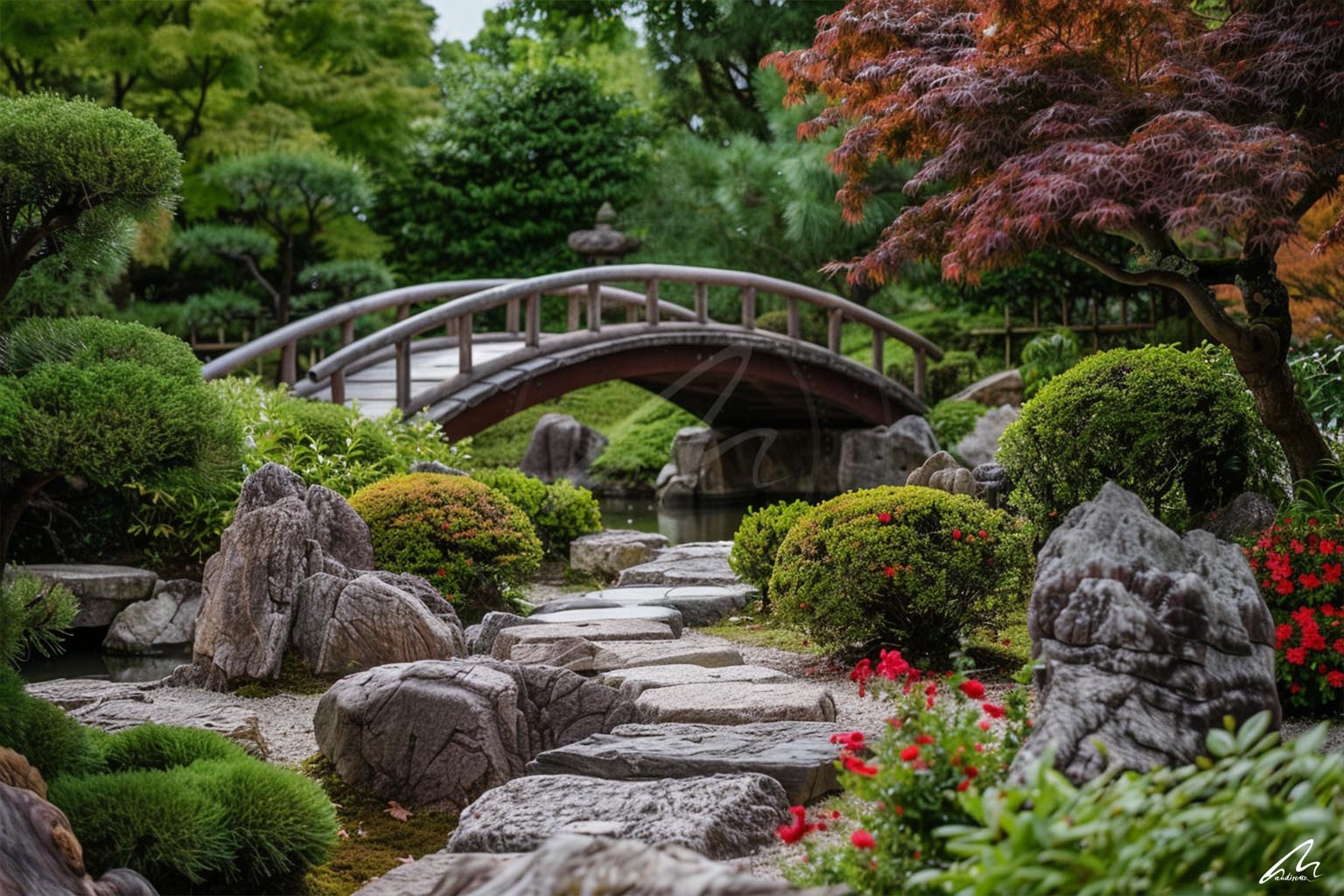
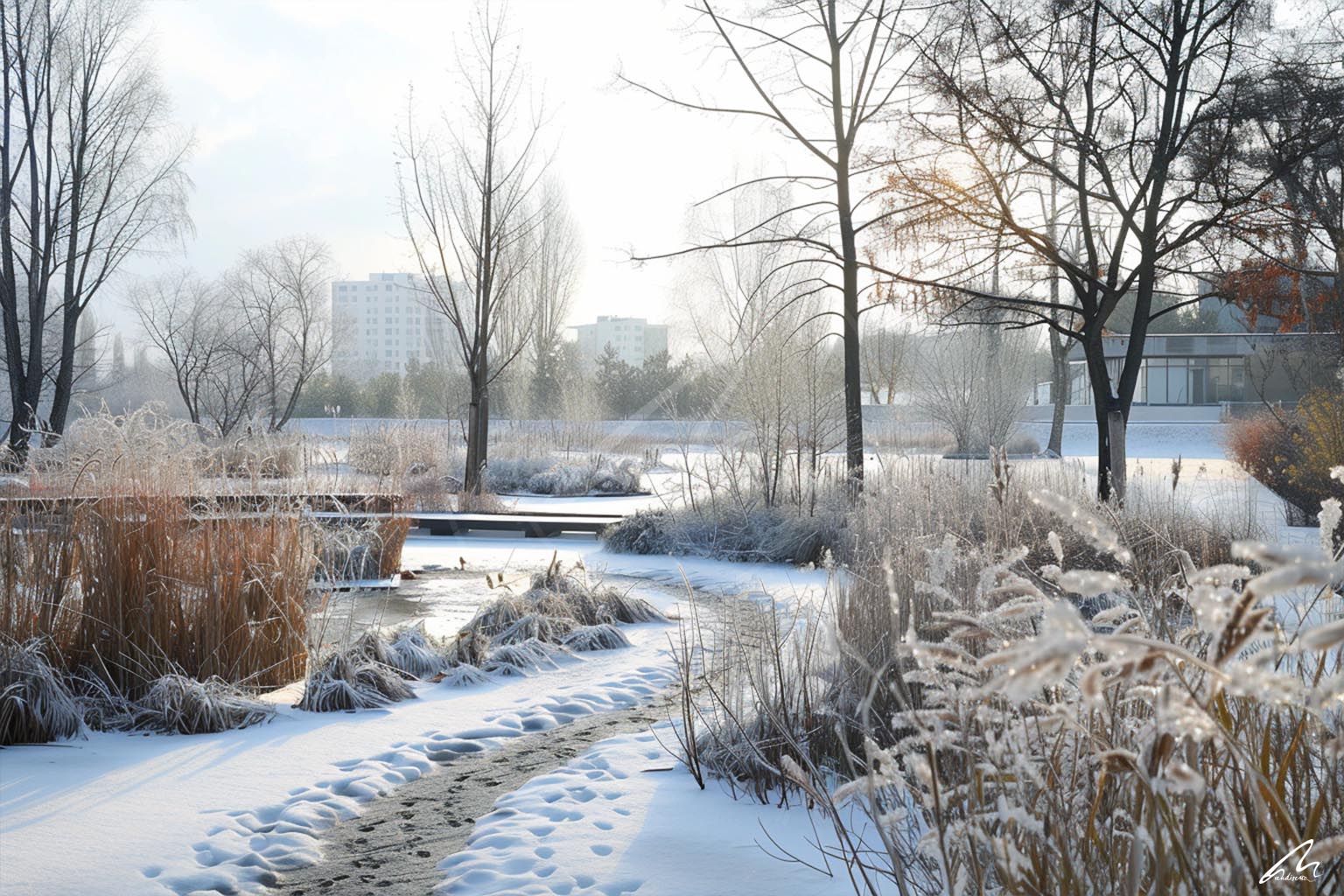
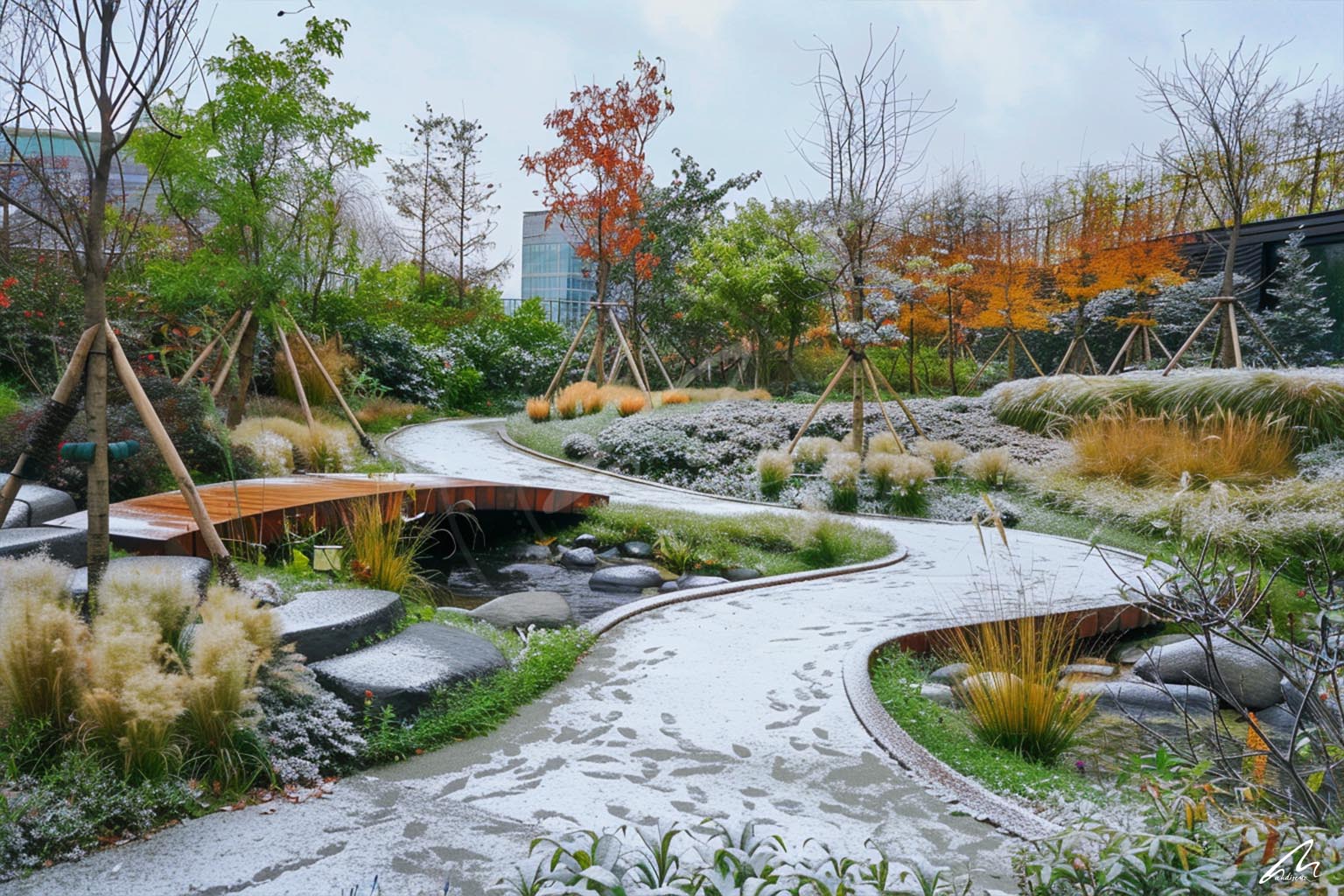
One of the best ways to add detail to a landscape is through the pathways. Instead of plain concrete or gravel, consider using a mosaic of stones, bricks, or tiles. This is because it not only adds visual interest but also enhances the tactile experience of walking through the garden.
“Pathways guide the journey through a garden, and their detailing can make the walk as enjoyable as the destination itself.”
The Power of Layered Plant Selection
Moreover, plants are the building blocks of any landscape, but their arrangement and selection are crucial. It is essential to understand their growth habits, textures, colors, and how they interact with one another throughout the seasons.
To illustrate, imagine a garden where every plant is meticulously chosen for its year-round interest. In spring, vibrant tulips and daffodils emerge, followed by the lush greens of summer perennials. Then, autumn brings a blaze of color from maples and oaks, while winter showcases the stark beauty of evergreens. As a result, well-executed Landscape Design Detailing ensures there’s always a visual or sensory interest, no matter the time of year.
Integrating Thoughtful Hardscape Elements
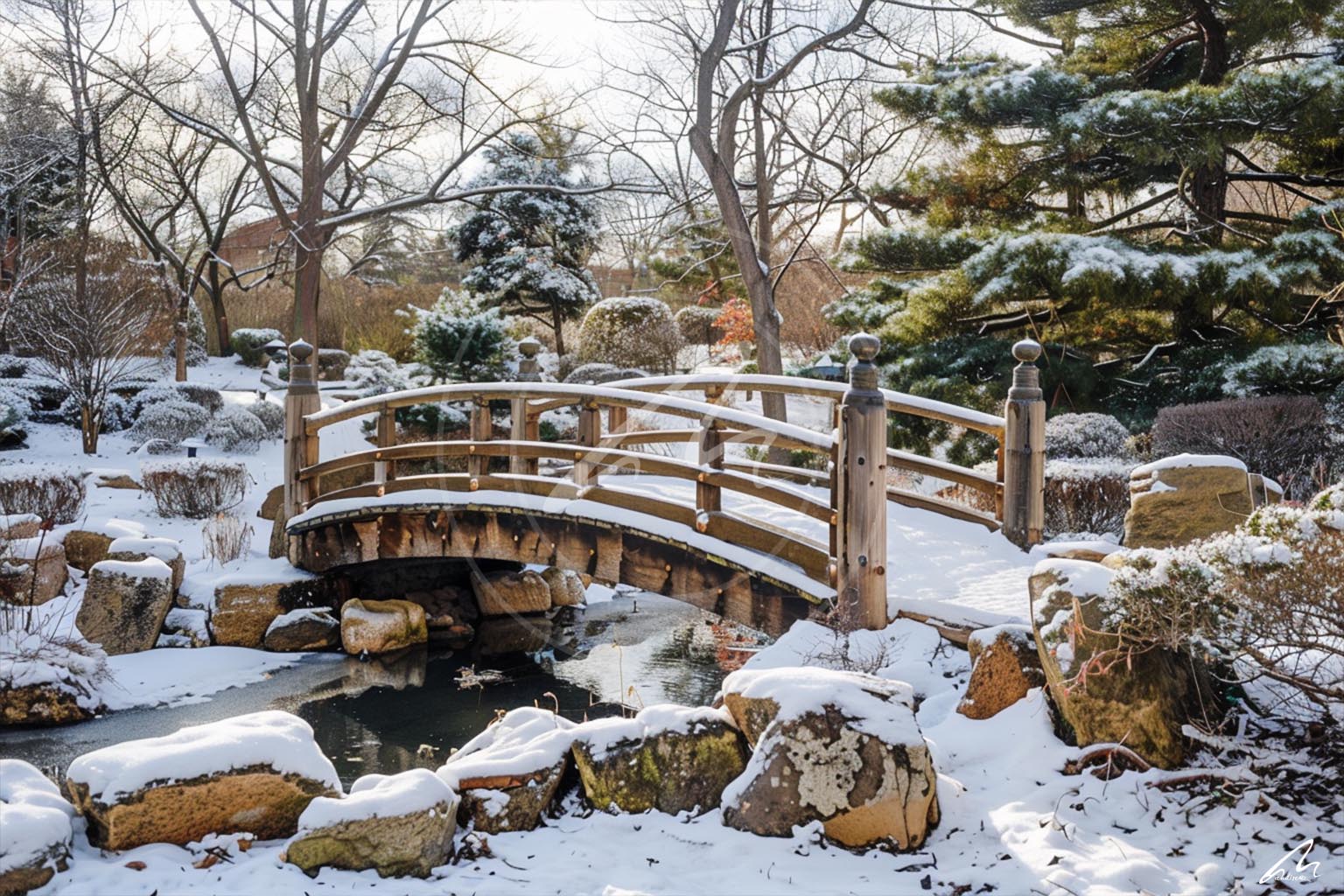
Furthermore, hardscape elements like benches, sculptures, and water features are pivotal in creating focal points and functional spaces within a landscape. The choice of materials, placement, and scale can either harmonize with the natural surroundings or create striking contrasts. For instance, a simple stone bench placed under the dappled shade of a mature oak tree adds a tactile quality to the landscape.
Final Details: Water, Light, and Craftsmanship
- Water Features
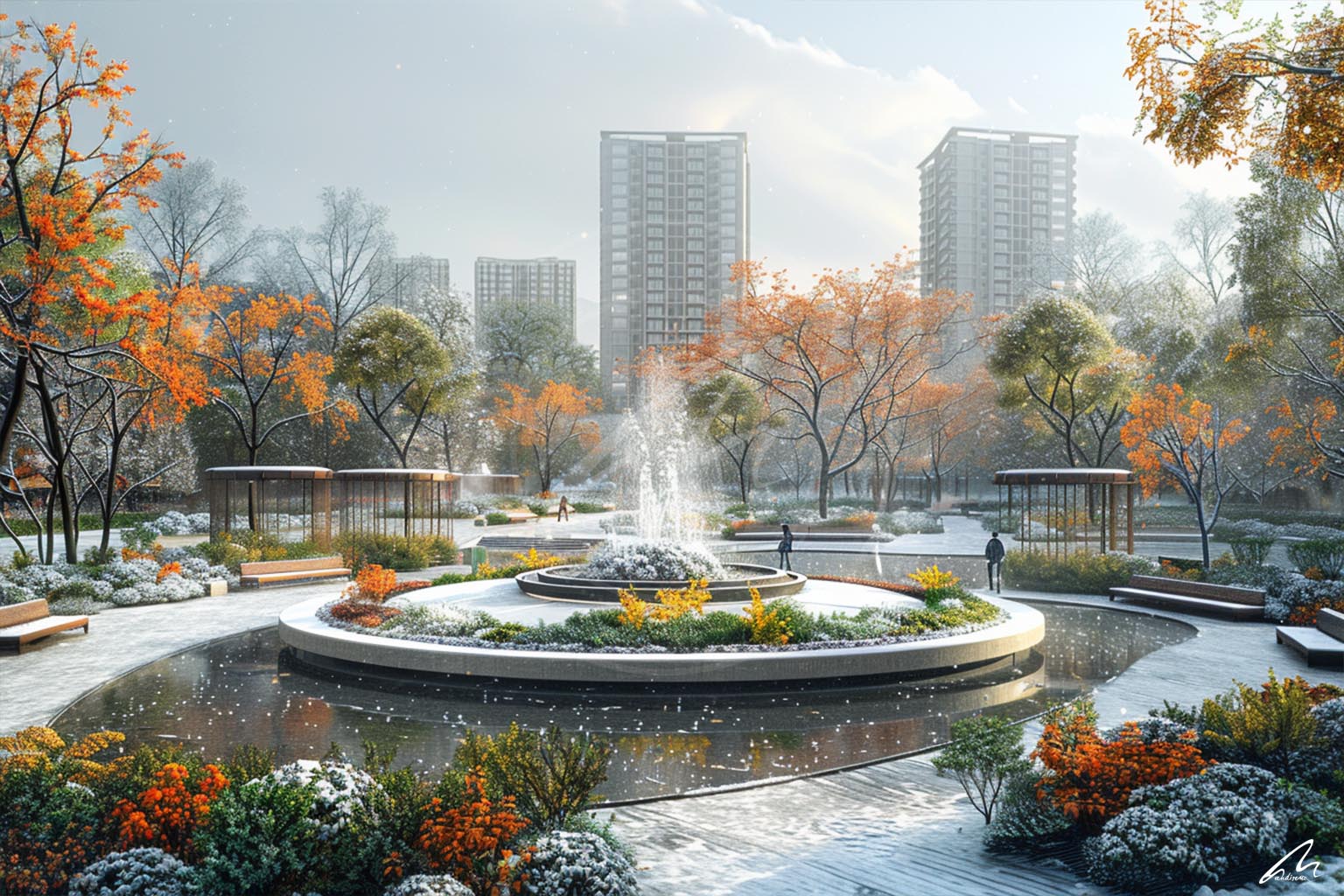
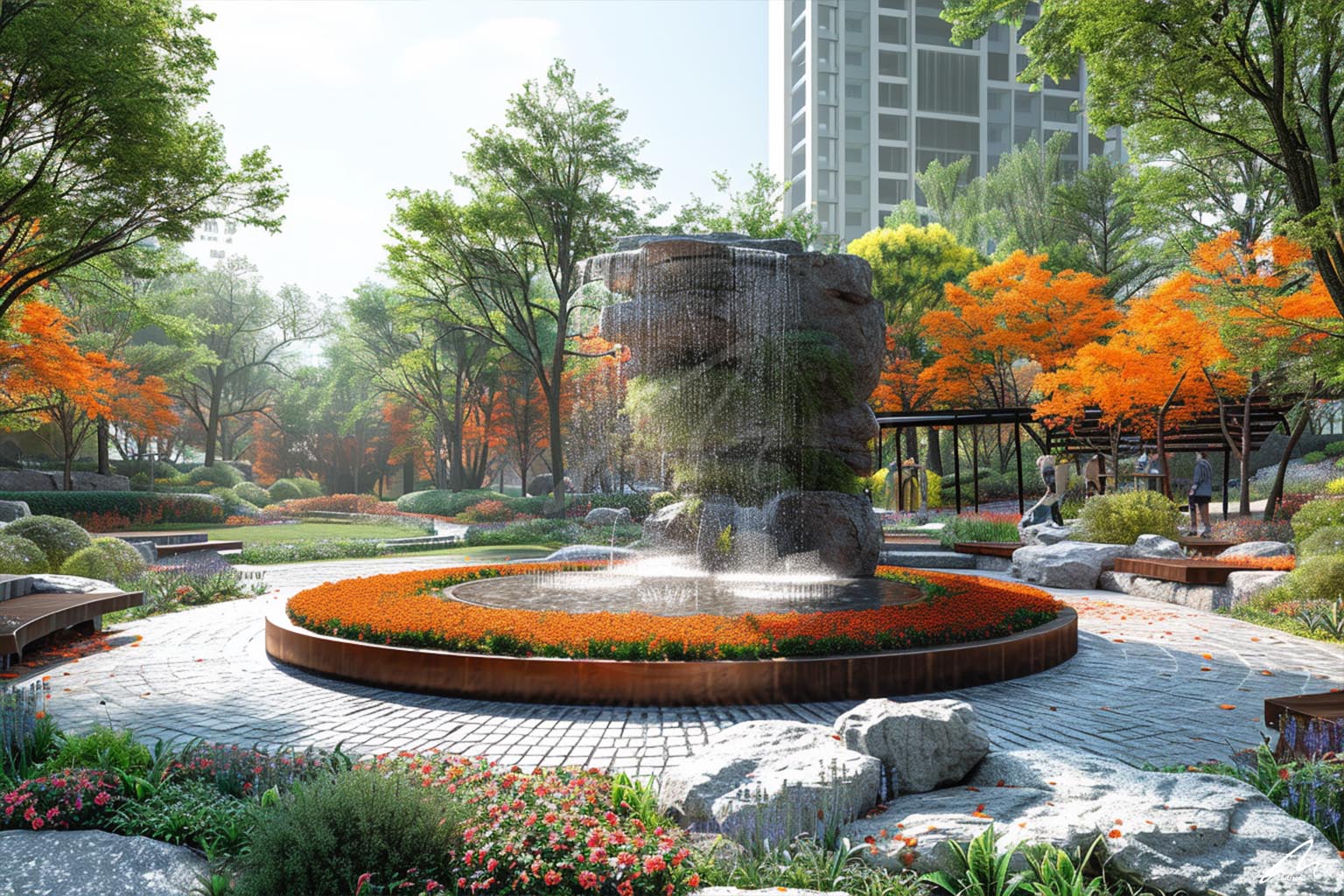
Similarly, water features are a fantastic way to incorporate small details. Whether it’s a small, bubbling fountain or a detailed koi pond, water adds a dynamic element. Hence, pay attention to the materials used, the sound of the water, and the way it catches the light.
- Lighting Design
Finally, lighting is often overlooked but can dramatically change the perception of a landscape. Therefore, use subtle, well-placed lights to highlight key features, create shadows, and enhance the mood. Think of it as painting with light.
Bringing it All Together: The Extraordinary Finish
In conclusion, when designing a landscape, it is vital to step back and look at the big picture, but never forget to zoom in and focus on the details. Ultimately, it’s these small elements that elevate your design from ordinary to extraordinary. Consequently, they add richness, depth, and a sense of craftsmanship often missing in more generic designs.
Therefore, take a moment to consider the details. Experiment with textures, play with lighting and think about how each small element contributes to the overall experience.
If you are a student, make it a habit to visit gardens with a critical eye. Professionals, consider sharing your insights with the next generation.
Happy designing, and don’t forget—the art is in the details!
Ready to Charge What You’re Worth?


