
A Walk That Changed My View
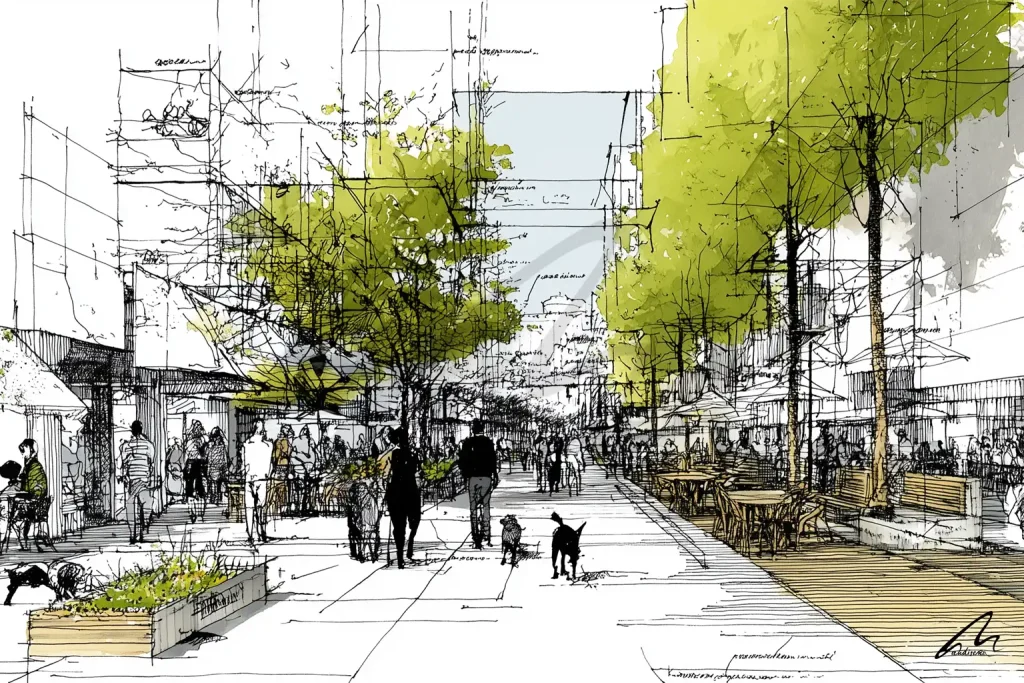
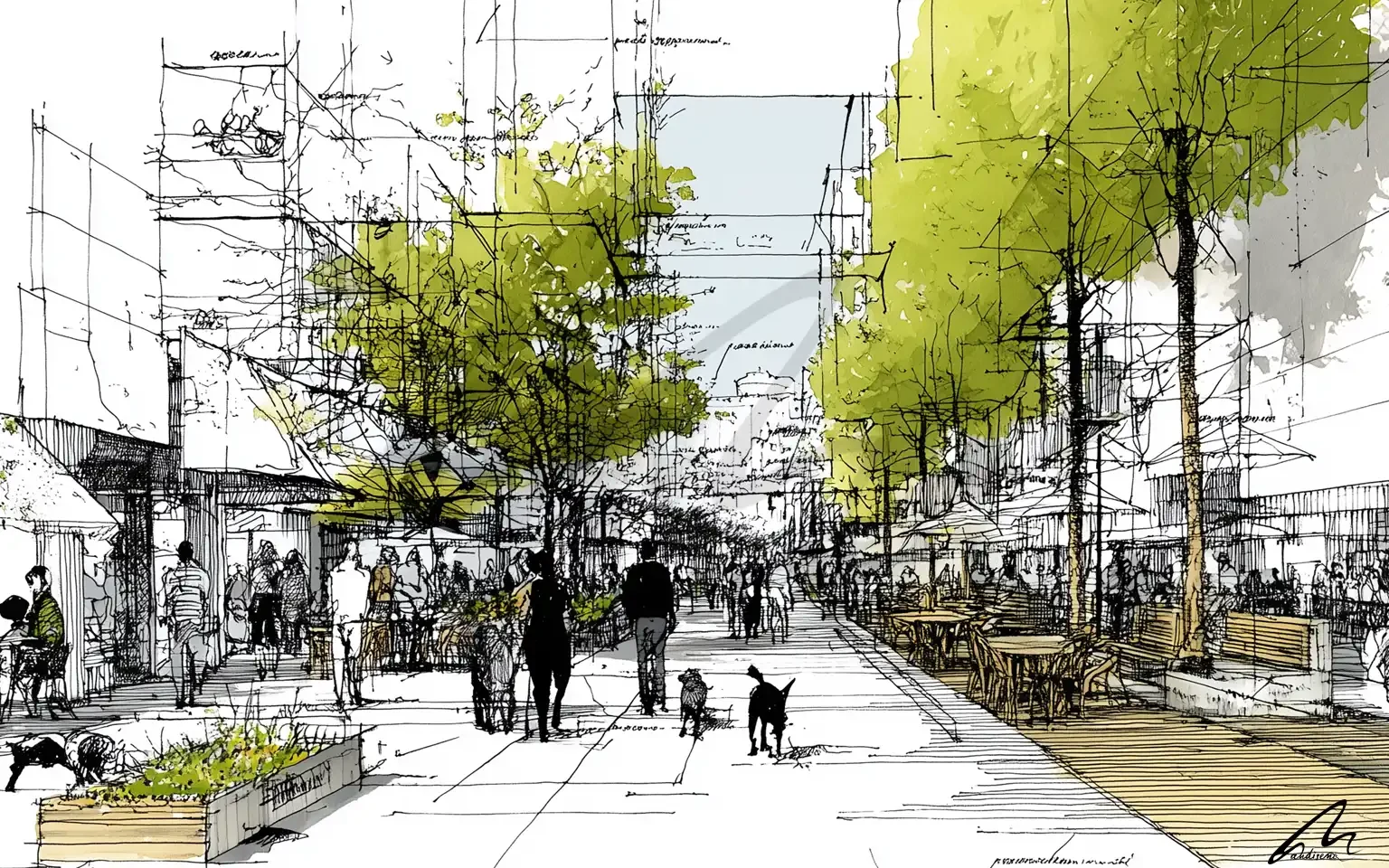
I walked a few blocks with my sister’s dog the other day. Just a quick outing ; or so I thought. As we crossed streets, paused at curbs, and navigated between tree pits and bike racks, I began to see the city from her point of view. She moved low to the ground, alert to smells, heat, noise, and texture. That wasn’t just a walk. It became a quiet critique of the spaces we move through every day. And it made me think:
What are our cities really like for non-human bodies — especially at the scale of dogs? That’s the first lesson in urban design for dogs: to lower our gaze and reconsider what we’ve taken for granted.
Design Isn’t Just Visual; It’s Sensory
Urban design often speaks of accessibility. Yet most environments are built around the upright, able-bodied human form. Dogs experience public space through different cues. They read surfaces, sense temperatures, and navigate through scent and shadow — not signs or lines.
What I Noticed at Paw-Level
During that short walk, I began noticing a few key things:
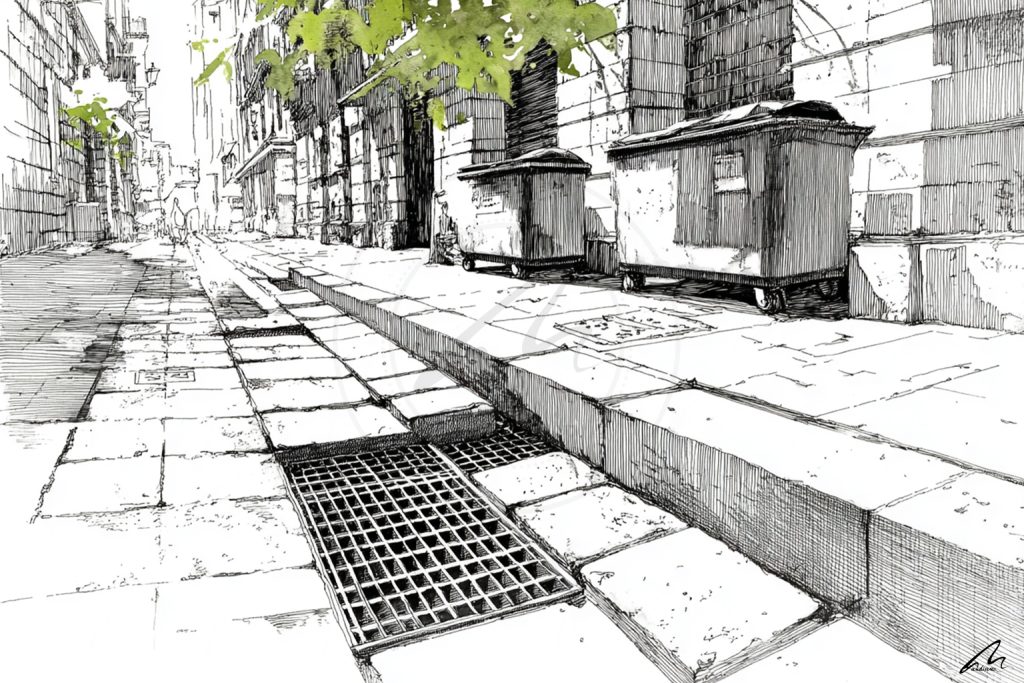
- Metal grates held too much heat — my dog avoided them entirely
- Trash bins blocked airflow and narrowed visibility
- HVAC vents at entrances startled her with sudden noise
- Paving materials changed too quickly — and made her hesitate
These weren’t design “mistakes.” They were unspoken exclusions.
We call many spaces “dog-friendly” because of a bowl of water or a patch of grass. But true pet-inclusive public space demands a deeper understanding of multisensory experience.
When Dogs Show Us the Gaps
Dog discomfort often reveals our blind spots.
- A hot sidewalk is a materials issue.
- A loud vent is a problem of sonic comfort.
- A blocked sightline affects how all creatures move and respond.
“Design begins the moment we question who the space is truly for — and who it silently excludes.”
Who Else Benefits From Better Design?
It’s not just dogs.
Children, older adults, and people with sensory sensitivities share many of the same struggles. Spaces that feel unsafe or uncomfortable at paw-level often fail other bodies too — just less visibly.
Tools to Design More Inclusively
In my ongoing research into ecological and more-than-human design, I’ve been exploring methods to make these gaps visible. Some tools designers now use include:
- Thermal comfort maps that factor in lower body height
- Rhino and Grasshopper simulations to visualize non-human paths
- GIS overlays for shade, scent, noise, and other habitat features
These are more than visualizations.
They help us test space before it fails real bodies.
This isn’t idealism. It’s precision driven by empathy.
Why Does This Matter?
A city that works for dogs is one that’s been pressure-tested where design often fails — in the margins. Designing for low-to-the-ground, scent-driven, non-verbal beings asks more from us. But it also gives more back. When we stop assuming humans are the only users of public space, we unlock better possibilities for everyone.
Lower Your Gaze, Widen Your Impact
So, what can a dog teach us?
Plenty — if we’re paying attention. There are many versions of the city. Some are measured in zoning and height. Others in hesitations, shadows, and burned paws. If cities are shared, then comfort, safety, and movement must stretch beyond the human standard.
Urban design for dogs isn’t decoration. It’s a framework for listening differently — and designing with more care. Next time you walk with a dog, observe closely. They may offer the most honest design feedback of your week.
Ready to Charge What You’re Worth?