
Your rhythm
Interior Design by Personality
Create spaces that mirror your habits, comfort, and identity — not just the latest trend.
Have you ever walked into a room and thought, “This looks great… but why doesn’t it feel great?” We’ve all been there. You picked the colors, bought the furniture, maybe even followed the latest design trend, and yet something feels off. The problem? Spaces aren’t one-size-fits-all. They’re personal. That’s where the idea of interior design by personality comes in — it’s less about following a style guide and more about making sure your home actually feels like you.
When you match your personality with the right space, your home stops being just a backdrop. It becomes a mirror of who you are and how you live. And yes, that means your quirks, habits, and rhythms should shape design choices — not just what looks good in a magazine.
Why Interior Design by Personality Matters
Homes influence more than appearance — they shape how we feel and behave. Environmental psychologists at the APA point out that our surroundings affect stress levels, productivity, and even creativity.
If your home doesn’t reflect your personality, you’ll constantly feel friction. Maybe you can’t relax in your living room. Maybe your office drains you instead of inspiring you. On the flip side, when design reflects personality, comfort feels effortless.
👉 Related reading: How to Make Your Home Feel Right (Not Just Look Good) — our deep dive into the psychology of “rightness” in design.
The Trap of Trend-Driven Design
Trends are great for Instagram feeds but terrible for personal comfort.
- Minimalist homes may look calming, but if you love warmth and energy, you’ll feel bored.
- Maximalist homes may look inspiring, but if you crave simplicity, they’ll exhaust you.
- “Industrial chic” may photograph well, but if you hate cold materials, you’ll avoid those rooms.
That’s the trap: trends speak to the eye, but interior design by personality speaks to the person.
Step 1: Get Honest About How You Live
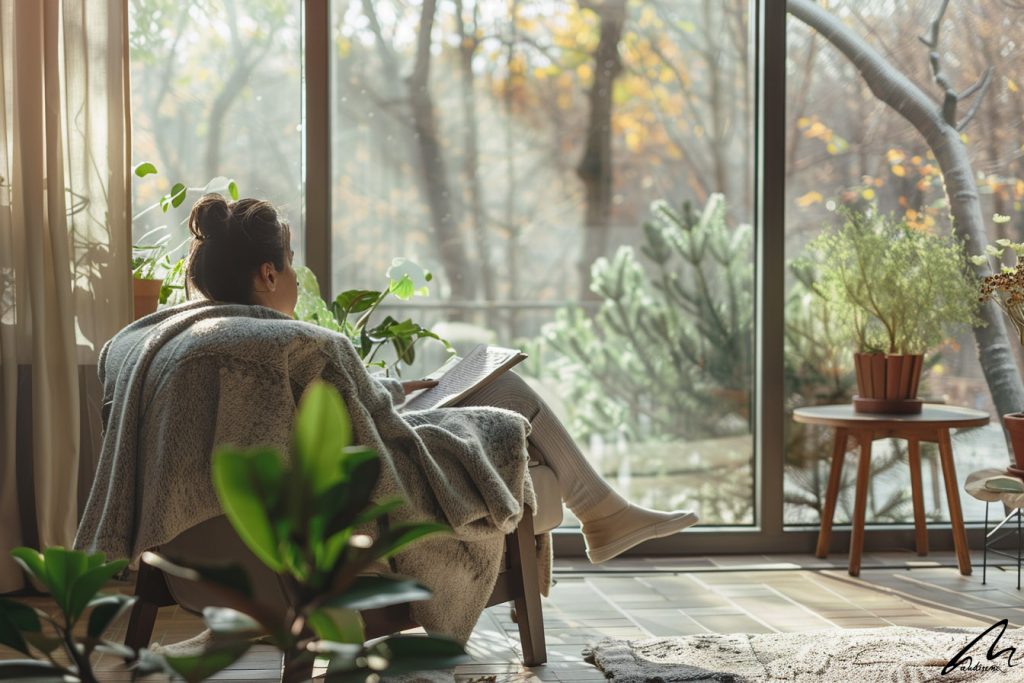
Before you buy anything, look at your routines.
- Do you need retreat corners to recharge?
- Do you host gatherings every week?
- Do you crave sunlight, or do you love dim, cozy light?
- Where do you actually spend your time — not where you wish you spent it?
This step is the foundation of interior design by personality: design for real life, not for the “Pinterest version” of yourself.
Step 2: Personality Types in Interior Design
The Introvert’s Haven
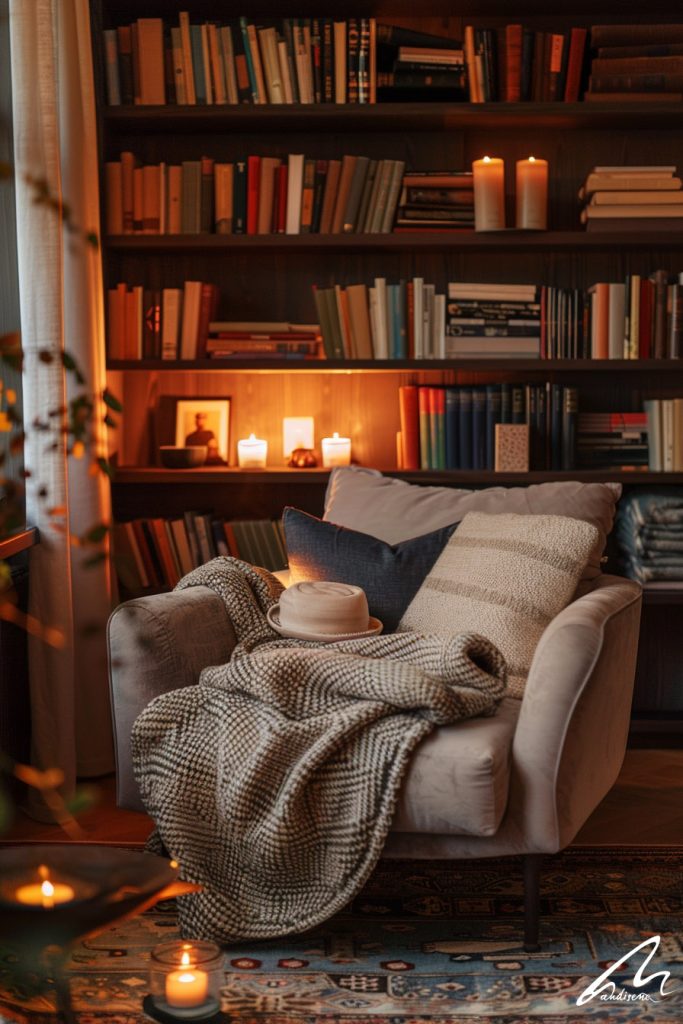
Introverts often need calm spaces that allow retreat and reflection. For them, interior design by personality means:
- Nooks & alcoves: spots for reading, writing, or just breathing.
- Lighting: soft lamps, candlelight, cozy glow.
- Textures: layered blankets, soft fabrics, a sense of enclosure.
The Extrovert’s Stage
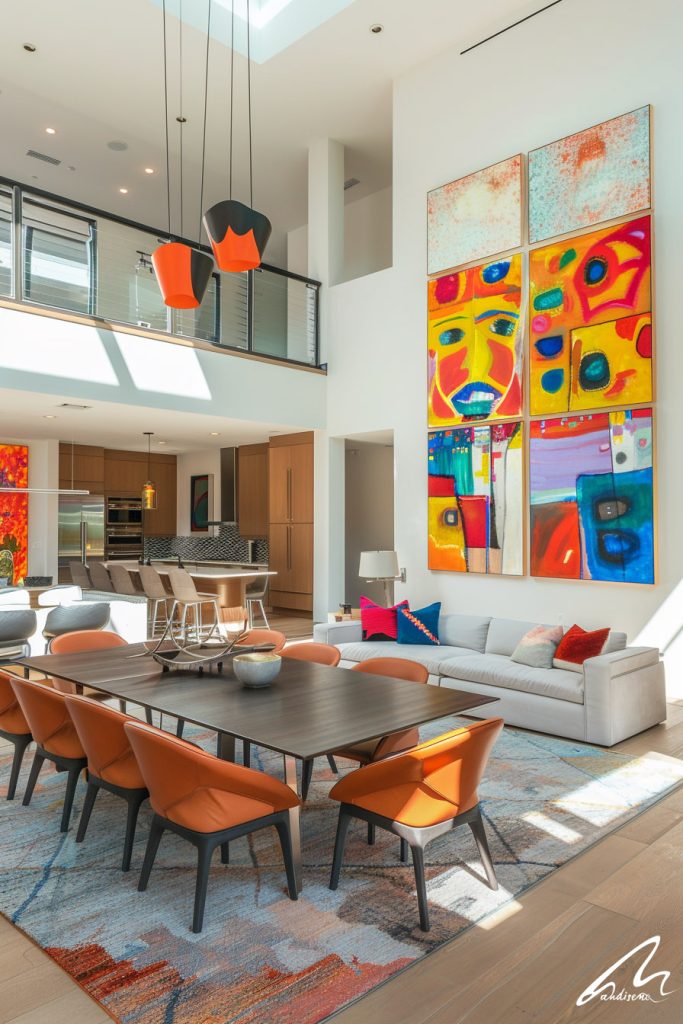
Extroverts thrive in environments that encourage interaction. Their homes shine with:
- Open layouts: seamless flow between kitchen, dining, and living.
- Social furniture: big tables, movable seating.
- Visual energy: art, bold colors, conversation starters.
The Creative Explorer
Creative personalities crave stimulation. Their spaces often include:
- Dynamic walls: pinboards, chalkboards, rotating art.
- Movable furniture: beanbags, stools, flexible setups.
- Eclectic textures: a mix of wood, fabric, stone, and metal.
The Minimalist Thinker
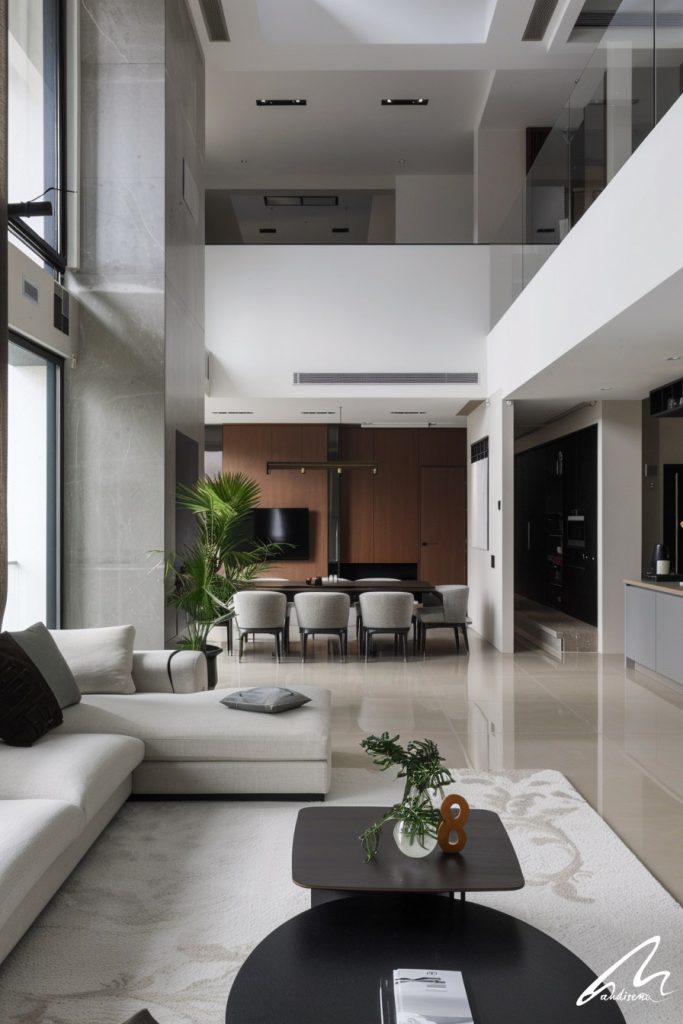
Organized minds need clarity and order. For them, interior design by personality focuses on:
- Hidden storage: everything has a place.
- Neutral palettes: whites, grays, earthy tones.
- Intentional layout: open, uncluttered spaces.
Step 3: Translate Personality into Design Elements
Interior design by personality becomes tangible through choices:
- Colors: Energized → bold hues; calm → muted earth tones.
- Layouts: Social → open plans; private → divided zones.
- Lighting: Morning people → maximize daylight; night owls → layered lamps.
- Textures: Comfort-seekers → plush textiles; practical types → smooth surfaces.
👉 Learn more in Verywell Mind’s guide to color psychology.
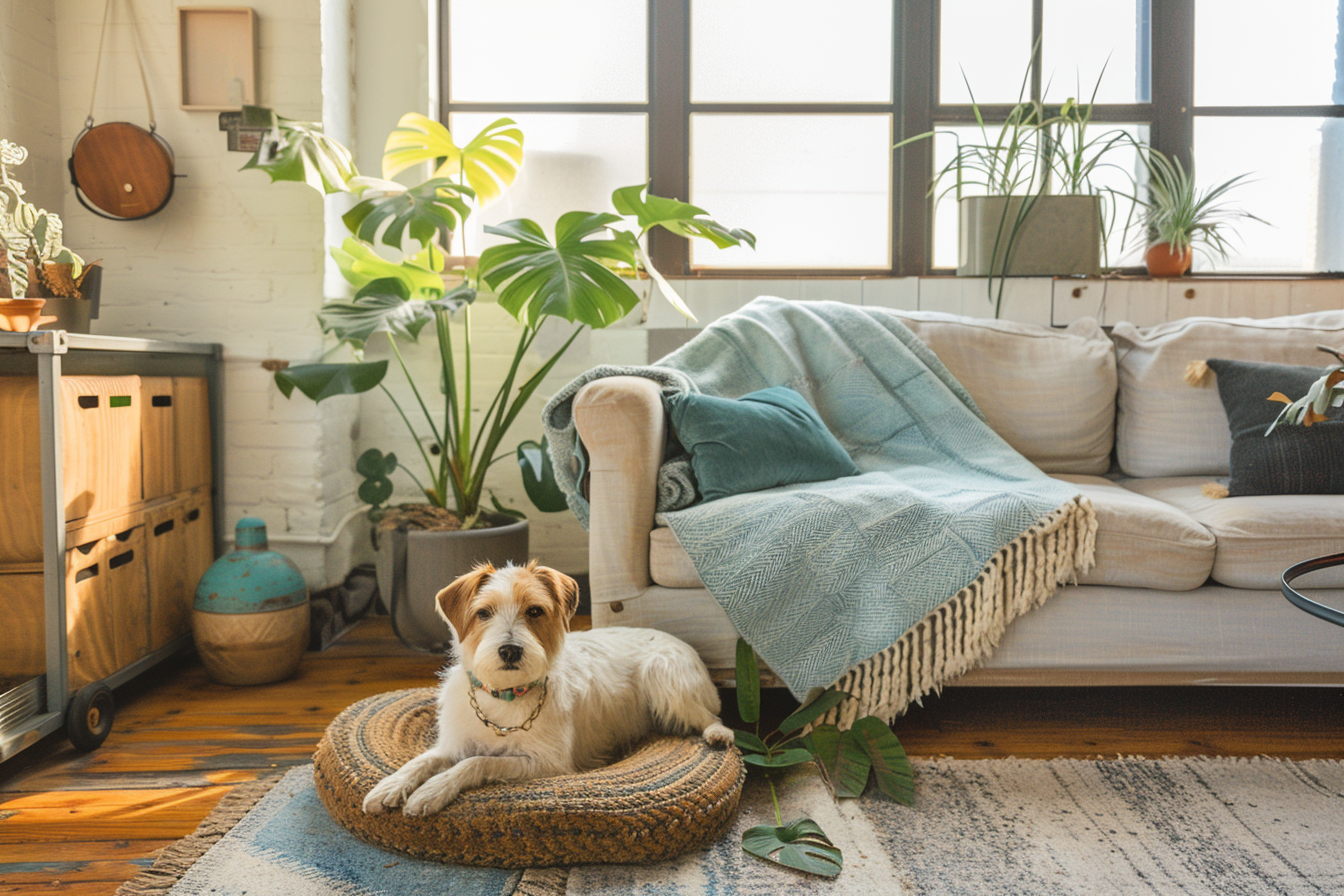
Step 4: Design for Rhythms, Not Just Roles
Spaces should follow your rhythms, not just your personality type.
- Morning rituals: coffee corners that energize.
- Work rhythms: structured desks vs. flexible workstations.
- Evenings: family gathering vs. personal retreat.
👉 Designing for Pets: What Cats, Dogs, and Birds Teach Us About Space — how non-humans also reveal spatial rhythms.
Step 5: Include Pets and Plants
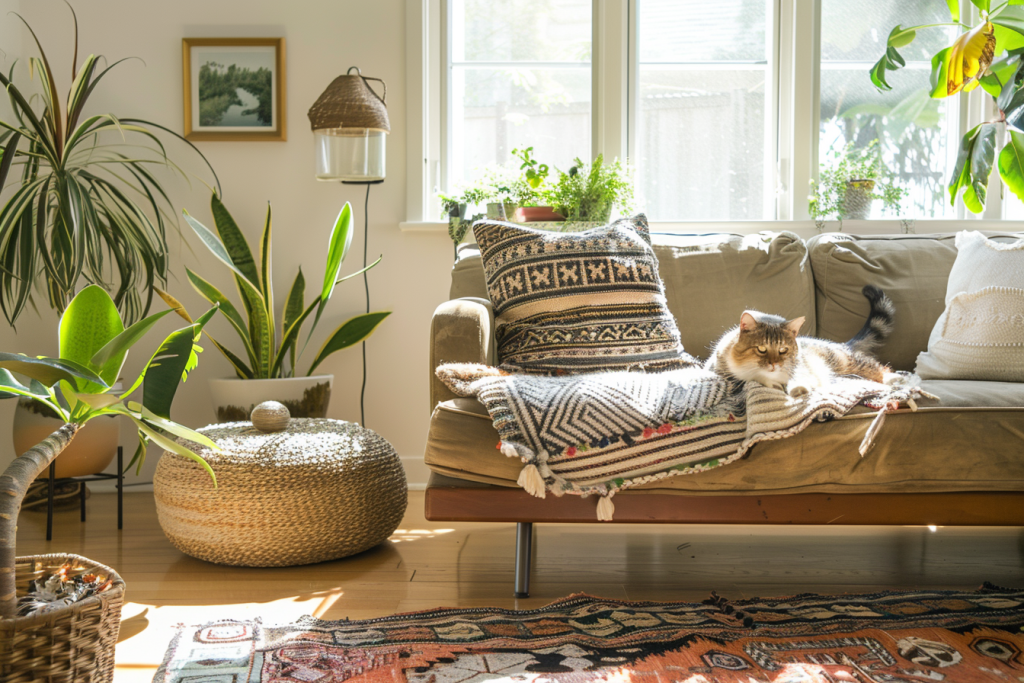
Homes are shared with others — including non-human companions. Interior design by personality should extend to them:
- Cats: need vertical space and sunny ledges.
- Dogs: crave circulation paths and cozy retreats.
- Birds: thrive with airflow and perching options.
- Plants: respond to light, humidity, and placement.
Step 6: Mistakes to Avoid
- Copying trends without reflection.
- Overfurnishing to the point of stress.
- Ignoring light and airflow.
- Designing as if the space won’t change — adaptability is essential.
Real-Life Examples of Interior Design by Personality
- Anna the Minimalist: Tried pure minimalism, but added color when she realized her creative side was missing.
- James the Extrovert: Neutral spaces drained him until he added bold art and social layouts.
- Maya the Introvert: Open-plan living exhausted her until she carved out a private reading nook.
Step 7: Small Steps That Create Big Impact
- Add one retreat zone that feels like yours.
- Rotate textiles seasonally for comfort.
- Rearrange furniture to match real habits.
- Use mirrors to enhance light.
- Bring in plants for texture and life.
To Sum Up: Why Interior Design by Personality Creates Belonging
Your home isn’t just where you live — it’s how you live. By applying interior design by personality, you create rooms that support routines, mirror your rhythms, and reflect your identity.
Trends fade, but personality lasts. The right space is the one that feels like you.
Take a look at your favorite corner at home. Why do you love it? That’s your first clue to applying interior design by personality — and creating spaces that finally feel right.
Ready to Charge What You’re Worth?