


Look, when most people decide to renovate, they start with the fun stuff: paint chips, tile samples, and Pinterest boards. They focus on what they want the space to look like—the aesthetic. That’s why so many renovations look great for a year and then start feeling wrong. They’re built on style, not substance. A true transformation, one that actually improves your day-to-day life and boosts your productivity (especially for a dedicated HomeOffice space), requires a deeper dive. It requires asking better Renovation Questions.
This process is about digging past the superficial finishes to uncover your deepest functional needs and your personal “Inner Flow.” When you focus on these fundamental questions first, the design answers—the materials, the layouts, the colors—will reveal themselves, guaranteed. Stop focusing on the window treatment and start focusing on the quality of light. Stop focusing on the counter material and start focusing on how you actually move when you cook. This is how you renovate right.
If you’re ready to start a renovation that changes how you live, not just how your house looks, you need to answer these three smart questions.
1. The Chronos Question: When Do You Feel Most Productive, and What Interrupts That Flow?
This is an Environmental Psychology question wrapped in a practical design challenge. Most people design for the activity itself (e.g., a desk for working) but forget to design for the mental state required to do that work. We all have moments—a period of deep focus, a relaxed evening routine, a sharp morning start—where things just click. That is your inner flow. Your renovation should aim to protect and enhance those times.
Analyzing Your Spatial Failures (The “Pain Points”)
A successful renovation doesn’t just add new things; it removes friction. To find that friction, you need to be a detective about your current space.
- The Interruptions Audit: When you are trying to work in your HomeOffice or relax in your living room, what physically breaks your concentration? Is it the noise from the kitchen? Is it glare on the screen? Is it the dog bumping your chair? Make a physical list of five things that steal your attention every day.
- The Transition Gap: Where do your activities bleed into each other? For instance, does your workout gear pile up in the living room because the laundry room is too far? Does work email creep onto the dinner table because the laptop is too easy to reach? The space itself is failing to create a clear boundary between activities.
- The “Stuff” Problem: If your Renovation Questions only focus on storage, you’re missing the point. Storage is where you put things. Design is about not needing to store them in the first place, or making the action automatic. If clutter breaks your flow, the design needs to change the behavior, not just hide the mess.
The answer to this question guides decisions on acoustic separation, lighting design, and the overall zoning of your home. It moves beyond aesthetics and defines the space’s most vital practical function.
2. The Action Question: What Is the One Activity You Dread Doing in This Space, and Where Should It Happen Instead?
Everyone has a dreaded household or work chore. Maybe it’s paying bills, sorting laundry, or taking a video call with a bad background. Whatever it is, that dread often stems from the space itself. The existing design is making a simple task feel disproportionately hard. This is the essence of practical design failure.
Redesigning the Flow of Work:
- Dreaded Task Analysis: Identify your nemesis task. Now, break down all the physical items and steps required to complete it.
Example: Dreading packing up the children’s school lunchboxes. This requires access to the fridge, the pantry, lunchbox storage, and the garbage/recycling. If these things are spread out, the task is inefficient. The renovation questions here should ask: can we consolidate these four points into one efficient zone?
- The Desk and the Door: For many people, a key Renovation Question revolves around the Home Office. The typical desk facing a wall is a recipe for mental burnout. We need to look at what you do at that desk. Do you primarily have video meetings? Then you need a good backdrop and controlled light. Do you do deep, focused writing? Then you need visual separation and a view that’s not distracting. The solution might be a built-in desk facing a window or even a completely separate, small cloffice (closet office) with a strong door for total separation.
- Designing for the Real You: If you always fold laundry on the living room floor while watching TV, no amount of fancy utility room design will change that behavior. The renovation should embrace it. Design the living room to have a beautiful, large folding surface that integrates seamlessly, making the task enjoyable rather than fought against.
By focusing on the activities you dread, you isolate the biggest flaws in your current layout, giving the renovation a clear, solvable mission statement.
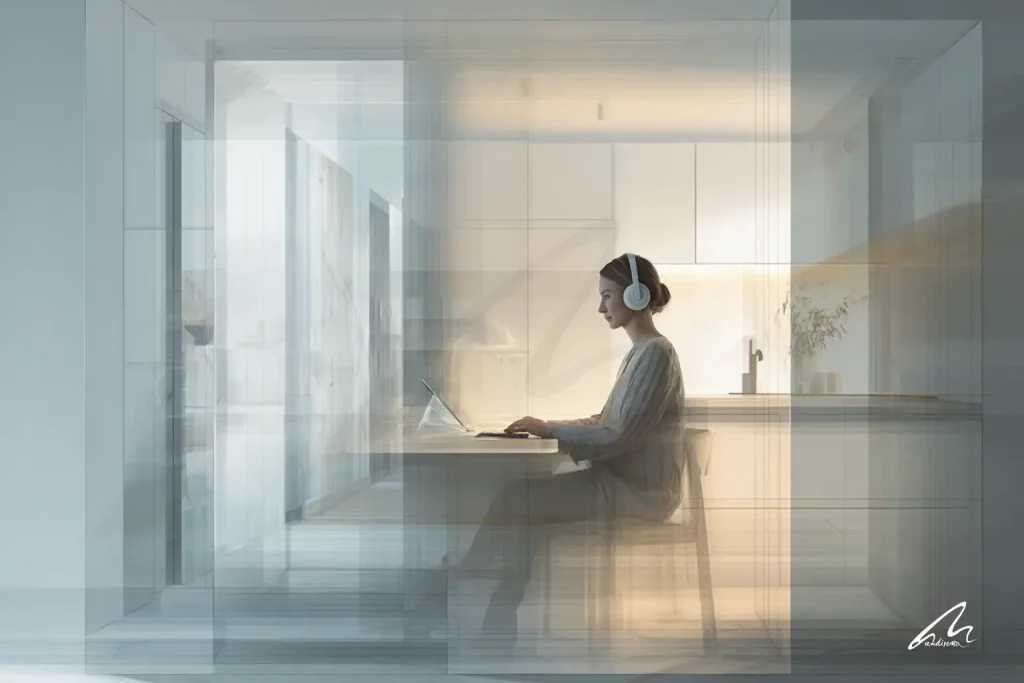
3. The Future Self Question: If This Space Were Perfect, What Routine Would You Start Tomorrow?
Forget budgets and permits for a minute. This question is pure imagination, and it’s the final, most important filter for your design choices. Most people renovate based on their current, imperfect life. A successful renovation, however, anticipates and inspires your desired future life.
Dreaming into Reality:
- The Morning Ritual: What is the first thing you want to do in your perfect home? Drink coffee overlooking a garden? Do a quick 10 minutes of yoga? If you want to start a new routine, the space has to facilitate it. If you want to do morning yoga, you need a warm, light-filled space that is already clear of clutter. This informs the size of your sunroom, the placement of a window, or the materiality of the floor.
- The Wind-Down: How do you want to end your day? A long soak in a beautiful tub? Reading a book by a cozy fireplace? If your current master bathroom makes you rush because it’s cold and uninviting, the renovation must prioritize warmth, material texture, and lighting to make the soak appealing. The design goal is simple: make the desired routine easier than the old one.
- Defining “Success”: What is the one word you want to use to describe your home after the renovation? Is it ‘Calm’? ‘Vibrant’? ‘Functional’? ‘Inviting’? That single word becomes the non-negotiable guiding principle for every single decision. If your word is ‘Calm,’ you eliminate busy patterns and chaotic open shelving.
This question allows you to look past current constraints and ensure the investment you’re making aligns with your highest aspirations for your life. It ensures the space supports your ultimate Inner Flow.
The Practical Next Steps for Your Renovation
Answering these three Renovation Questions gives you a solid foundation—a list of needs, failures, and aspirational goals. Now, you need the tools to translate that into action.
Take Your Personal Design Quiz
Before you talk to a designer or contractor, you need a clearer picture of your personal relationship with your space. The design you need is driven by your well-being, not just a trend. We highly recommend taking the Space Design Starter Kit (Free Quiz). It’s a fast, insightful quiz that helps you stop struggling with your mood and energy, so you can begin designing a space that finally supports your well-being. Find out your Personal Space Type here.
Collaborating with a Professional
If you are working with an architect or interior designer, this conversation is even more critical. They need to understand the function before they touch the form. If your designer isn’t asking these kinds of Renovation Questions, you may need to guide them. You can show them how to focus on the person, not the style, by suggesting my Free Tool: Beyond Style-The First Conversation. This kit provides a conversation framework to uncover what a client truly needs—before moodboards, before palettes, before assumptions.
Budget and Reality Check
Once you have your three questions answered, you must align your aspirations with reality. A truly successful renovation is one that gets built without causing financial stress. Before signing any contracts, make sure you’ve consulted current regional cost data to ensure your budget is feasible for the scope of work you’ve defined. For up-to-date construction cost information, sites like Remodeling Magazine’s Cost vs. Value Report are a great resource for seeing local trends.
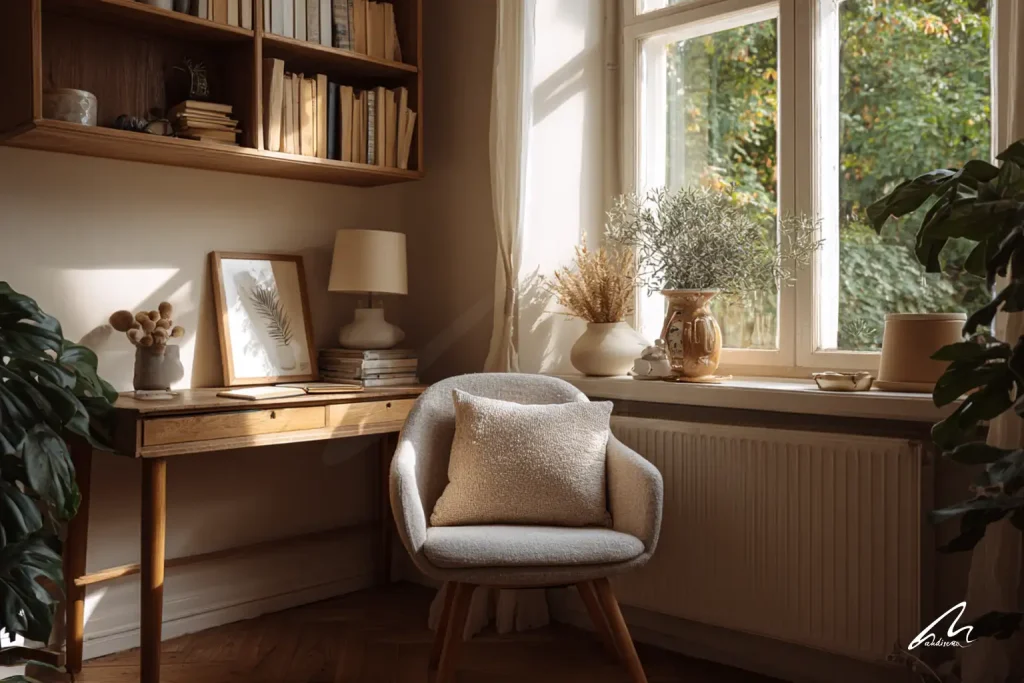
The Renovation Mindset: From Style to Substance
Ultimately, the goal is not to have a magazine-worthy room; the goal is to have a life-worthy room. A space that makes the hard things easier and the good things better. By starting with these deep Renovation Questions—the Chronos Question, the Action Question, and the Future Self Question—you ensure that every dollar you spend is an investment in your well-being, your productivity, and the daily function of your life. Don’t renovate for a superficial change; renovate for a meaningful transformation.
Ready to Charge What You’re Worth?