

You’ve moved into your new place. The walls are a perfectly safe beige, the furniture is from a big box store, and everything looks… fine. But “fine” isn’t a feeling. It’s the absence of one. In fact, you want your home to be a reflection of you—not a sterile page from a catalog. So, you start to ask the obvious question: how to make your home unique? You’d be surprised how simple it is. It’s not about spending a ton of money or hiring an expensive designer. Instead, it’s about being intentional, thoughtful, and, perhaps most importantly, about breaking a few unwritten rules.
Making your home truly distinctive means infusing it with your personality, your stories, and your tastes. It’s about creating an environment that sparks joy and comfort every time you walk through the door. This often means moving away from mass-produced uniformity and embracing elements that speak specifically to you. While trends come and go, a truly unique home stands the test of time because its essence is rooted in authenticity. Therefore, let’s dive into three powerful, yet simple, tricks that will help you transform your living space into something truly special.
1. Curate a “Collection” – Tell Your Story Through Objects
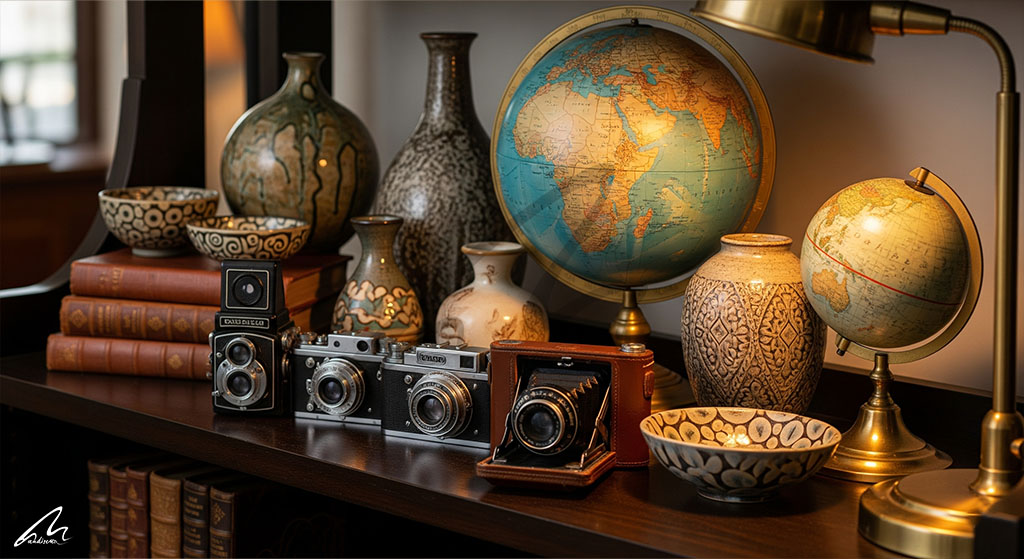
Look, a lot of people just buy stuff to fill up space. They buy a vase because it’s a vase, a bowl because it’s a bowl. That’s fine if you want a museum of generic items. However, if you want a home that feels like it belongs to you, you need to be a curator. Start a collection. This isn’t about spending a fortune on high-art antiques or anything pretentious. Quite the opposite; it’s about finding a theme you genuinely love and passionately building on it over time. Consequently, each piece you add contributes to a larger narrative.
Understanding the Power of a Collection: A collection immediately adds a layer of depth and personality that individual, unrelated items simply cannot achieve. It shows intentionality. It tells guests something about your interests, your travels, or your passions. Furthermore, it creates visual interest and becomes a conversation starter. Think about it: a single framed photo is nice, but a gallery wall of carefully selected, varied frames and images tells a richer story.
How to Start and Display Your Collection:
- Find Your Passion: What are you genuinely interested in? Is it vintage cameras, old globes, interesting rocks, unique pottery, or even quirky salt and pepper shakers? The key is genuine interest, not perceived value. Your collection should bring you joy.
- Think Beyond the Obvious: A collection doesn’t have to be limited to physical objects. Perhaps you collect experiences, and your “collection” is a series of framed travel photos or small mementos from different trips. Maybe it’s a collection of books by a certain author, all in different editions.
- Creative Display is Key: Once you have a collection, how you display it makes all the difference.
- Themed Vignettes: Arrange a few items from your collection together on a bookshelf, a console table, or a mantelpiece. Vary heights and textures for visual appeal.
- Gallery Walls: For flat items like old postcards, vintage maps, or small art pieces, a gallery wall can be incredibly impactful. Mix and match frame styles for an eclectic look, or keep them uniform for a more polished feel.
- Dedicated Shelving: Install floating shelves specifically designed to showcase your treasures. This draws the eye and highlights the collection as a feature.
- Repurposed Furniture: Consider using an old cabinet with glass doors or a printer’s tray to display smaller, more delicate items.
- Let it Evolve: Your collection doesn’t have to be complete overnight. It’s a living thing that grows and changes with you. This organic evolution further enhances the unique feel of your home.
Ultimately, these aren’t just objects; they are a narrative. They tell your story, and that is a surefire way to answer the question of how to make your home unique.
2. Don’t Be Afraid of the Dark (or the Bold) – Embrace Dramatic Design Choices
Everyone seems to think a room has to be light and airy. Sometimes, that’s just code for boring. Playing it safe with a single neutral color is a surefire way to make your home feel like everyone else’s. Many homeowners gravitate towards light, neutral palettes, fearing that bold colors will make their spaces feel small or overwhelming. However, this often leads to a lack of character. So, let’s talk about being bold and using color (or the lack thereof) to your advantage.
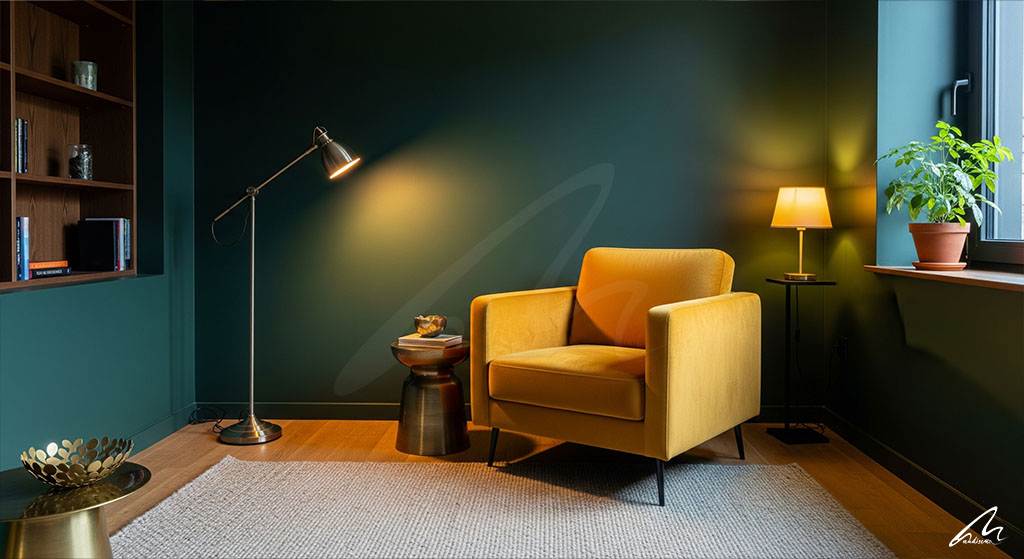
The Transformative Power of Dark Colors: Instead of shrinking a room, a dark color can actually make it feel incredibly intentional, sophisticated, and dramatic. For example, painting a small room—like a powder room, a cozy den, or a home office—a very deep charcoal, a rich navy blue, an emerald green, or even a deep plum can transform the space entirely. These colors absorb light, creating a sense of intimacy and depth. They turn a small room from a forgotten corner into a deliberate jewel box. The key is to balance dark walls with appropriate lighting and perhaps some lighter accents to prevent it from feeling too cave-like.
Making a Statement with Bold Pieces: Furthermore, you don’t have to paint every wall in a dark shade to make a statement. Sometimes, all it takes is one killer piece of furniture or art.
- Vibrant Upholstery: Imagine a bright, velvet armchair in a shocking jewel tone placed in a living room otherwise filled with neutral tones. It immediately commands attention and adds an unexpected pop of personality.
- Oversized Art: An oversized, abstract painting that takes up a significant portion of a wall can transform a room. It becomes a focal point and instantly injects character and a sense of scale that smaller pieces cannot. Consider commissioning a local artist for something truly one-of-a-kind.
- Dramatic Lighting: A single, unique, and dramatic light fixture can be a game-changer. Think of a large, sculptural pendant light in a dining room, or an industrial chandelier in an entryway. These aren’t just for illumination; they are sculptural elements that elevate the design.
- Pattern Play: Don’t shy away from bold patterns, whether on wallpaper, rugs, or textiles. A patterned wallpaper on a single accent wall can make a huge impact without overpowering the entire space.
Embracing bold design choices takes courage, but the payoff is immense. It allows your personality to shine through and demonstrates a confident approach to design. Remember, your home is a canvas, and sometimes a strong brushstroke is exactly what it needs to stand out.
3. Hunt for Architectural Salvage – Inject History and Character
In a world full of mass-produced goods, nothing says “unique” quite like something with history, character, and a story to tell. Architectural salvage is an absolute goldmine for anyone wanting to add instant personality and an unparalleled sense of charm to their home. These pieces carry the weight of their past lives, offering a warmth and authenticity that new items simply cannot replicate.
Where to Find Treasures: You can find architectural salvage at dedicated salvage yards, antique markets, flea markets, online marketplaces, and even local demolition sites (with permission, of course!). The thrill of the hunt is part of the fun, and the reward is a truly distinctive piece. For more inspiration on creating spaces that resonate, you might find our previous article on How to Make Homes Feel Good — Not Just Look Good to be helpful.
Ideas for Integrating Salvaged Items:
1. Doors and Windows:
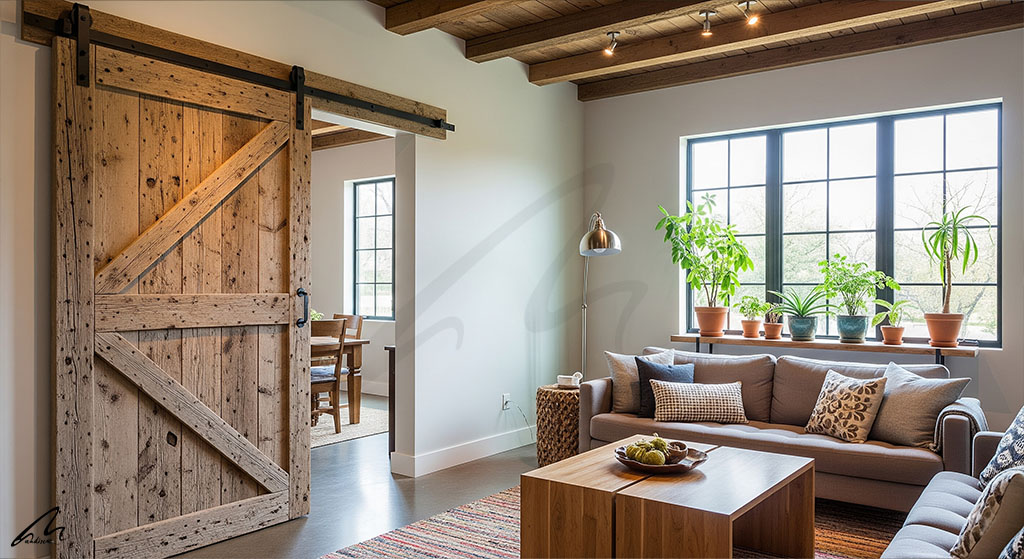
- Sliding Barn Doors: An old, beautifully patinaed barn door or a set of vintage French doors can be repurposed into a stunning sliding door for a pantry, an office, or a master bathroom. This adds texture and a rustic, yet sophisticated, touch.
- Headboards: An ornate old door, cut to size and properly mounted, can make an incredible, one-of-a-kind headboard.
- Decorative Panels: Large salvaged windows, particularly those with interesting muntin patterns, can be hung as wall art or even used to create a partition, allowing light to pass through.
2. Hardware and Fixtures: This is where the small details make a big impact.
- Cabinet Pulls and Knobs: Swap out those generic cabinet pulls for vintage brass, ceramic, or glass ones. This instantly upgrades kitchens, bathrooms, and built-ins.
- Lighting Fixtures: Replace a boring, standard light fixture with a found industrial light, a vintage chandelier, or an old lantern. These unique pieces become conversation starters.
- Plumbing Fixtures: A clawfoot tub or a vintage pedestal sink can be the star of a bathroom, evoking a sense of timeless elegance.
3. Repurposed Elements:
- Mantels and Corbels: An old wooden mantelpiece can be mounted on a wall even without a fireplace, serving as a decorative shelf. Vintage corbels can act as unique shelf brackets or decorative accents.
- Stair Parts: Old newel posts or balusters can be repurposed into table legs, lamp bases, or even sculptural elements.
- Tin Ceiling Tiles: Salvaged tin ceiling tiles can be framed and hung as artwork, or even used to create a unique backsplash in a kitchen.
The imperfections, the wear and tear, and the stories embedded in these pieces are exactly what give your home soul. They provide a layer of authenticity that contemporary items often lack. By thoughtfully incorporating architectural salvage, you’re not just decorating; you’re actively creating a rich, layered history within your own walls. For further inspiration, consider exploring reputable architectural salvage resources online, such as Olde Good Things for examples of what’s available and how it can be reused.
Making Your Mark: The Art of Personalization
Ultimately, how to make your home unique isn’t about following a fleeting trend or replicating a look you saw online. On the contrary, it’s about filling your space with things that are deeply personal and profoundly meaningful to you. It’s about being deliberate with your choices, whether that’s in the bold color you choose, the collections you lovingly curate, or the historical materials you meticulously find and repurpose.
By approaching your home with this mindset, you’ll achieve more than just a visually appealing space. You’ll not only have a unique home, but you’ll also cultivate a space that genuinely feels like it’s truly yours—a sanctuary that reflects your journey, your passions, and your individual style. This is the essence of creating a truly remarkable living environment.
Ready to Charge What You’re Worth?