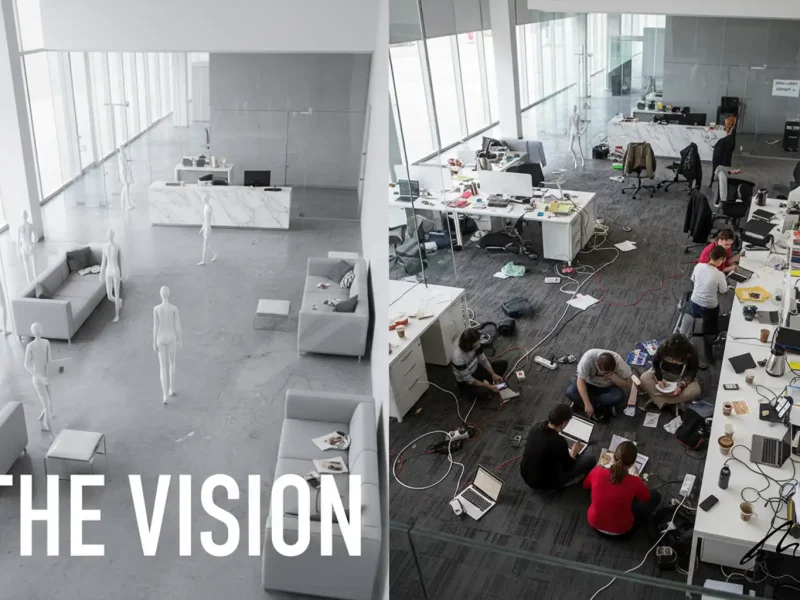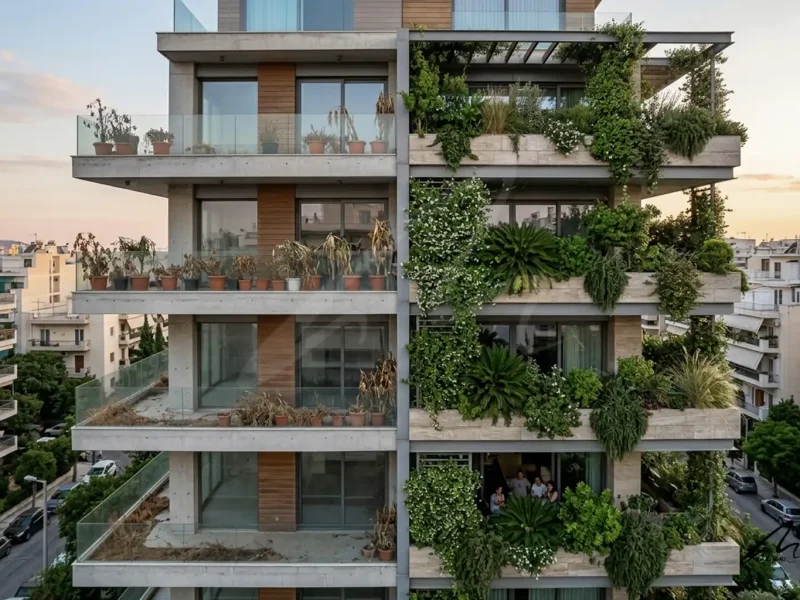

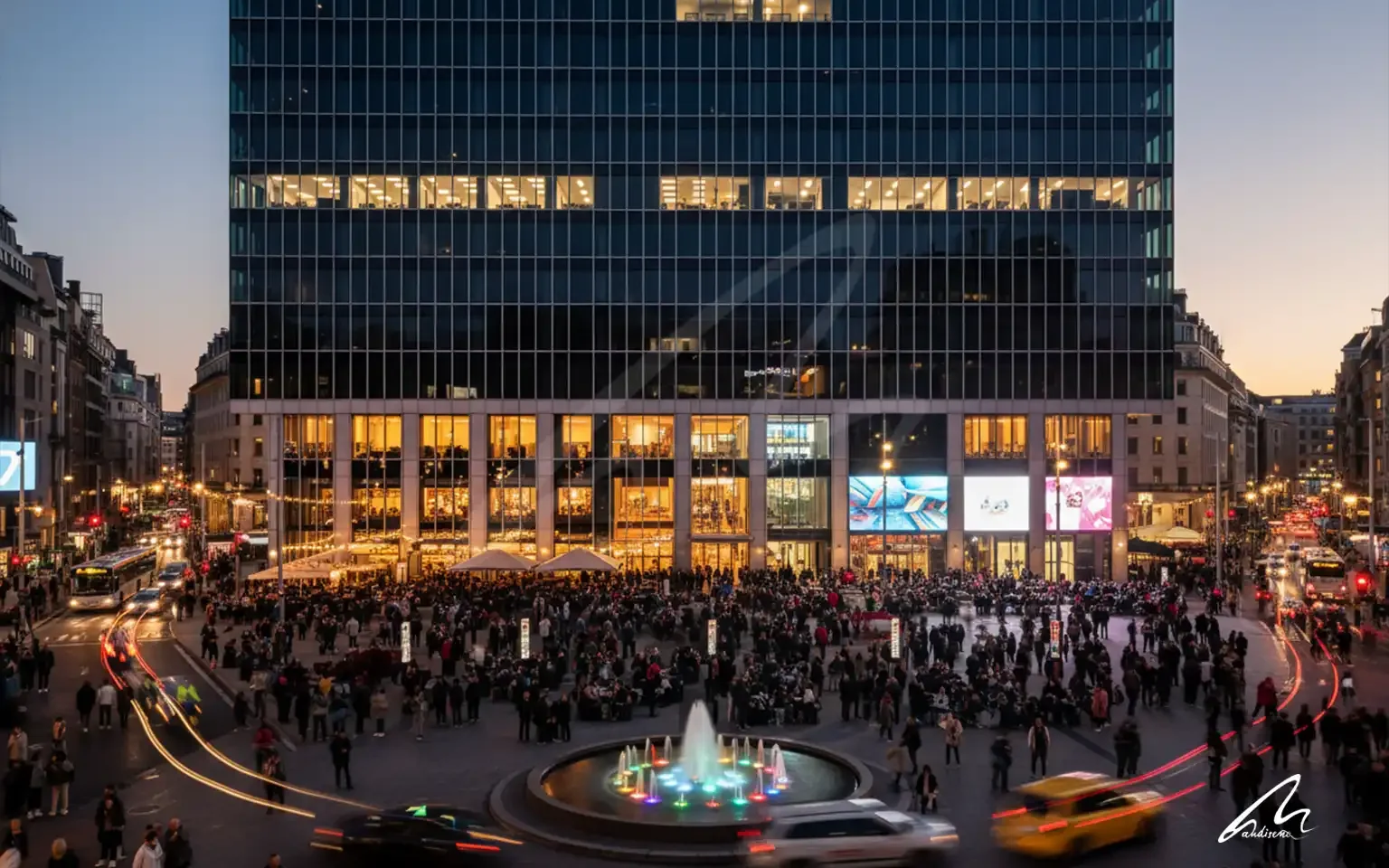
In San Francisco, office vacancy rates recently hit a record 30%. This is not a failure of civil engineering. The foundations are secure, the elevators function, and the glass is intact. However, the buildings have ceased to perform their primary role: facilitating human productivity and social exchange. This is urban performance failure. You must recognize that a building is a financial and social instrument first, and a physical object second. Consequently, when the instrument fails to produce value, the physical object becomes a liability regardless of its structural integrity.
Most developers and architects confuse durability with longevity. Durability is a matter of materials; longevity is a matter of relevance. You can build a tower that lasts 200 years, but if the internal environment creates cognitive fatigue or the ground floor kills street life, the market will abandon it in twenty. This mismatch occurs because design often focuses on the minimum viable structure rather than the maximum potential performance. Therefore, your building begins to fail the moment it stops adapting to the biological and economic needs of its occupants.
TL;DR The Executive Summary +
- Problem: Real estate assets often become economically and socially dead while the concrete remains perfectly sound.
- Evidence: In major hubs like San Francisco, commercial vacancy has peaked at 30% because the spatial performance no longer matches human needs.
- Method: We analyze the gap between structural longevity and functional utility using environmental metrics and pedestrian movement data.
- Result: Prioritizing human-centric performance metrics over basic code compliance extends the asset life and secures investment ROI.
The invisible metrics of urban performance failure
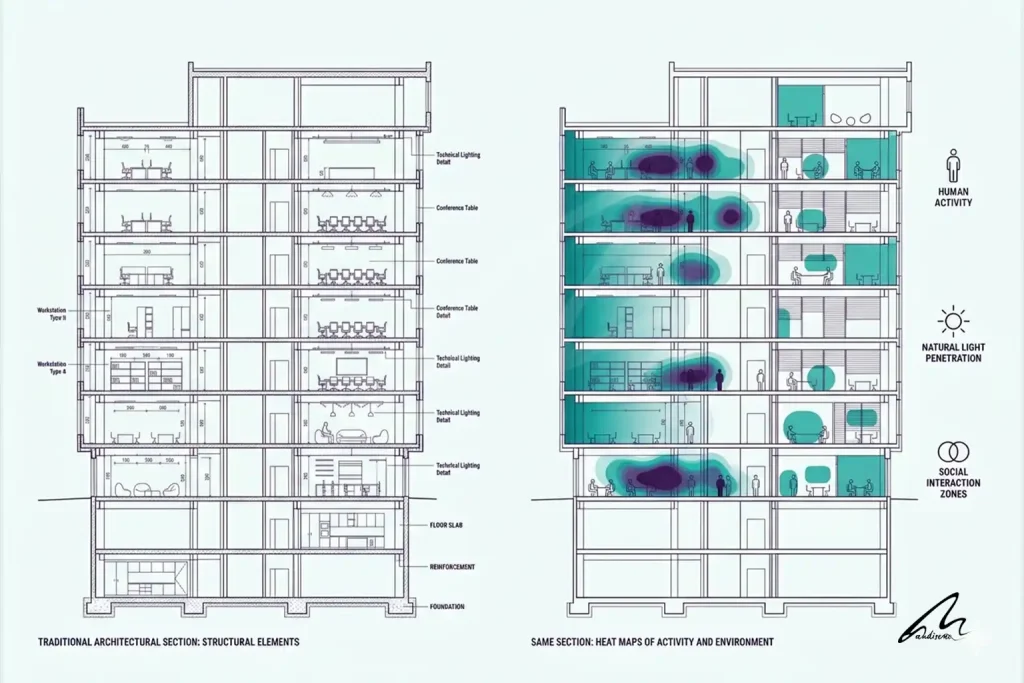
How do you measure the death of a building that is still standing? You look at the friction. In his seminal work, William Whyte observed that the success of a space is directly proportional to its ability to support ‘sit-able’ surfaces and social density [W. Whyte, 1980 – The Social Life of Small Urban Spaces]. If your lobby is a sterile wind tunnel, people will avoid it. If your floorplates prevent natural light from reaching 60% of the workstations, employee turnover will increase. This is a measurable physical phenomenon.
You are likely familiar with the concept of a performance brief for architecture which shifts the focus from ‘what it is’ to ‘how it works’. Without this shift, you are simply building a tomb for capital. We see this in suburban office parks globally. They are structurally perfect but functionally obsolete because they lack the connectivity and environmental quality modern workers demand. The result is a ‘stranded asset’—a building that costs more to maintain than the value it generates.
Why structural focus is a financial trap
Architects are trained to ensure buildings do not fall down. This is the baseline. However, the market does not reward you for a building that merely stands; it rewards you for a building that performs. When you prioritize aesthetics or structural minimalism over the human experience, you create functional obsolescence. This happens when the cost of retrofitting a building to meet modern environmental or social standards exceeds the cost of demolition.
Consider the thermal comfort of a glass-curtain wall. If the heat gain makes the perimeter zones unusable for six months of the year, you have effectively lost 15% of your leasable area. You are paying taxes and insurance on space that fails to serve its purpose. Consequently, your ROI drops. This is why we argue that buildings fail people structurally when they ignore the physiological reality of the occupants. The structure survives, but the investment dies.
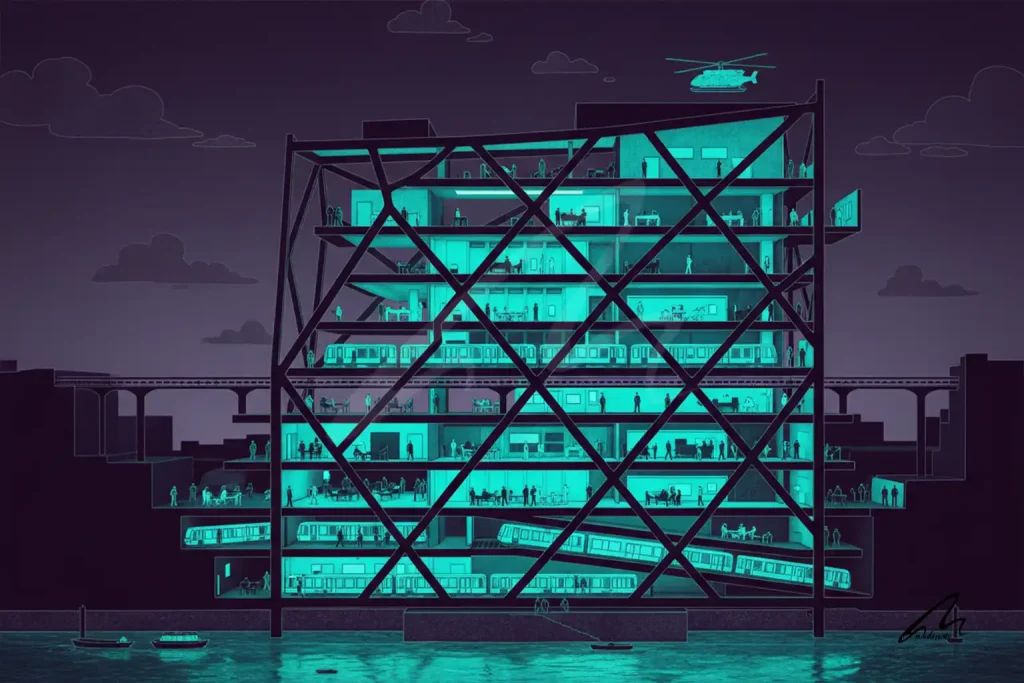
The path to high-performance longevity
To avoid urban performance failure, you must invert the traditional design process. Start with the desired human outcome—high footfall, increased dwell time, or lower cortisol levels—and work backward to the physical form. This requires data. You cannot guess how a wind pattern will affect a plaza or how a floorplan will impact collaboration. You must measure it.
By treating walkability as a financial instrument, you turn the surrounding urban fabric into an extension of your building’s value. This approach ensures that the asset remains integrated with the city’s pulse. A building that people love to use is a building that owners love to keep. Longevity is not found in the strength of the concrete. It is found in the density of the performance.
You Might Be Wondering
Honest answers to real objections
Q1Is it not more expensive to design for performance than just for code?No, performance-based design is a risk-mitigation strategy that prevents the massive costs of early functional obsolescence.+
Q2Can an existing building be saved from performance failure?Yes, retrofitting for performance can resuscitate 'dead' assets without needing total reconstruction.+
Q3Does this mean aesthetics don't matter at all?Aesthetics matter only when they serve the broader functional and social performance of the building.+
Ready to Charge What You’re Worth?